Acknowledging Land and Life

By: Acacia Leonor Greenidge, 11, Canada/Trinidad&Tobago

I have a question for you. And I have an idea too.


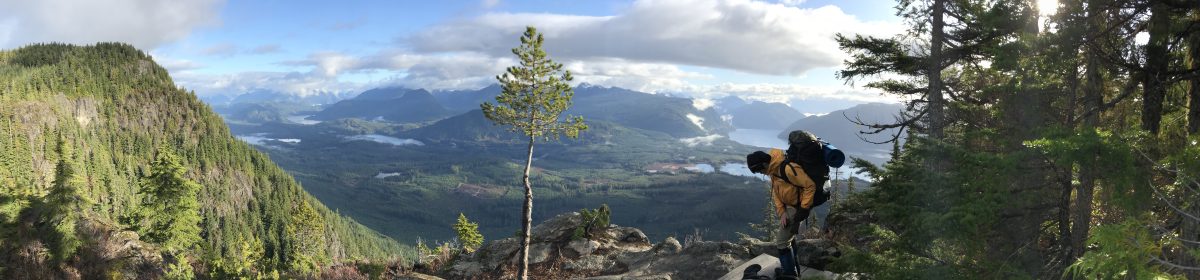
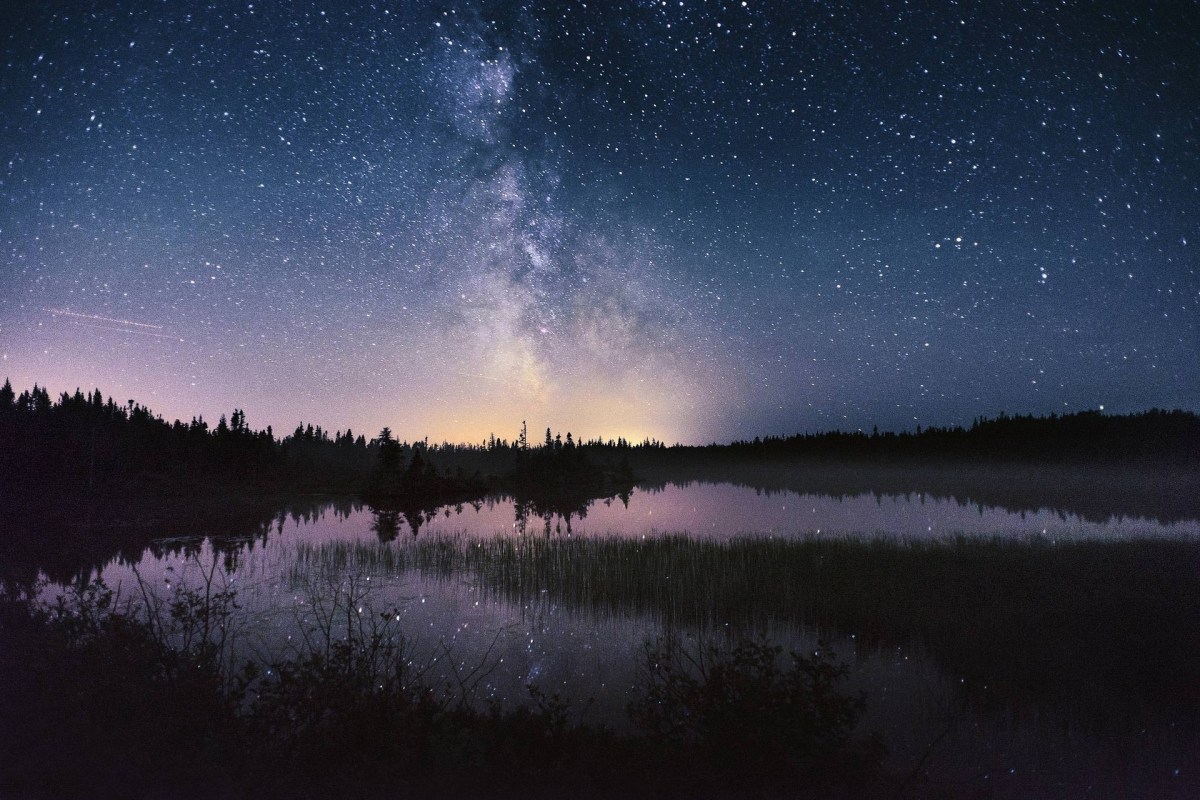
I love the lake. It’s stunningly beautiful here at Sauble Beach, and the water shimmers in the sunlight. The waves amaze, and the sunsets seem unreal, just like when you stop using the computer and it changes to those breathtaking photos. The black silhouettes at sunset are so cool that you don’t have to be a professional photographer to take awesome photos. The trees and forests on the way to Carson’s Camp are as stunning as the stars and constellations, which you can see very well here.

I love the lake. I love the sunsets, the trees, and the stars. My question is: why can’t we see stars like this in the city?


And can we make good decisions about our future when we can’t see the stars at night? Here you can even see the satellites in the sky. Why can’t I see stars in the city every night? How can we make good decisions about nature from cities where we stay inside all day? At Carson’s Camp, the total minutes we spend inside must add up to about one hour. No one stays inside too long on purpose, except to sleep, rest or avoid the rain.


And my idea? Well, the breeze and the trees here are so inviting that people barely use their cars. Could the way to save and share life on land be to spend more time around lakes, sunsets, stars and trees, and not be so busy that we ignore their beauty?
Biodiversity in Crisis: Liberating Marine Life

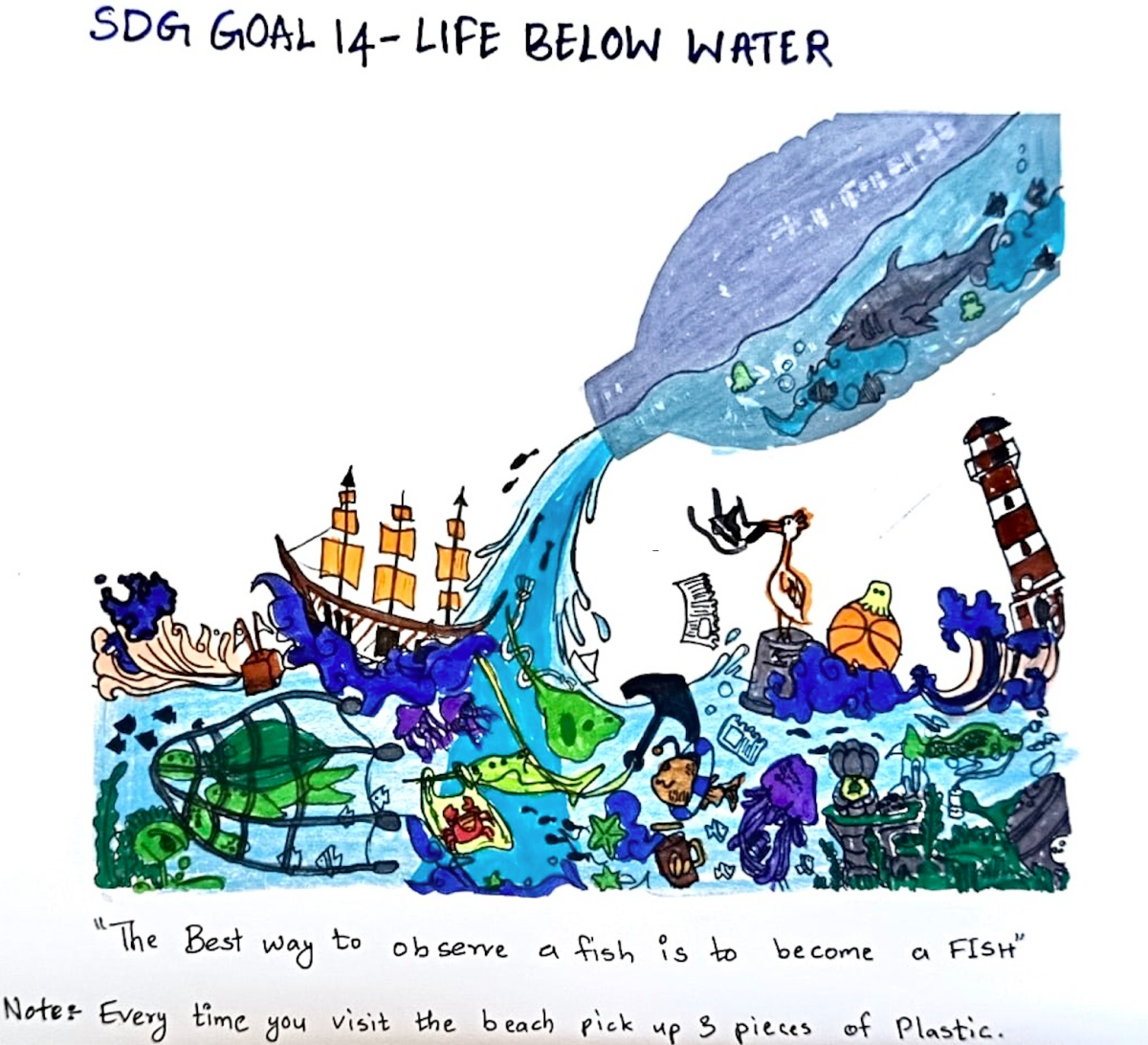
Artwork by Lasya Priya Manala

By: Shubhi Batra, 11, India

Sustainable Development Goal 14 (SDG 14), titled “Life Below
Water,” focuses on conserving and sustainably using the
oceans, seas, and marine resources. Oceans cover over 70%
of the Earth’s surface and are critical to sustaining life on the
planet. They regulate the climate, provide food and livelihoods
for billions of people, and house a vast array of biodiversity.
However, human activities such as overfishing, pollution, and
climate change are severely threatening marine ecosystems.
SDG 14 aims to reduce marine pollution, protect marine and
coastal ecosystems, regulate fishing practices, and ensure that
oceans remain healthy and productive. Achieving this goal is
essential for maintaining the balance of marine life, supporting
the livelihoods of those who depend on the oceans, and
ensuring a sustainable future for all.


Some ways biodiversity is severely harmed:

1. Marine Pollution 

Plastic Pollution: Oceans are  filled with millions of tons of  plastic waste each year, which harms marine life and ecosystems. Marine animals, like turtles, fish, and seabirds, often ingest or become entangled in plastic  debris, leading to injury or death. 

Chemical Pollution: Industrial  waste, agricultural runoff, and untreated sewage, introduce harmful chemicals, such as heavy metals  and pesticides, into marine environments. These pollutants can cause  severe damage to marine species and disrupt entire ecosystems. 

2. Overfishing and Sustainable Fishing 

Overfishing: The depletion of fish stocks due to overfishing  threatens food security, livelihoods, and the balance of marine ecosystems. Many fish species are harvested at rates faster than they  can reproduce, leading to population declines.

Sustainable Fishing: Implementing sustainable fishing practices involves  setting catch limits, protecting endangered species, and using methods that minimize bycatch (the capture of unintended species). Sustainable fisheries management ensures the long term viability of fish populations and marine ecosystems. 

3. Marine Protected Areas (MPAs) 

Importance of MPAs: Establishing Marine Protected Areas is  crucial for conserving marine biodiversity. MPAs restrict human  activities in designated regions, to protect vulnerable species and  habitats,allowing ecosystems to recover and thrive. 

Global Targets: SDG 14 aims to increase the coverage of MPAs, by setting a target to conserve at least 10% of coastal and marine areas by 2030. These areas serve as safe havens for marine life, helping to maintain  healthy oceans.

The Buzzes Behind Biodiversity: The Often Overlooked Role of Insects

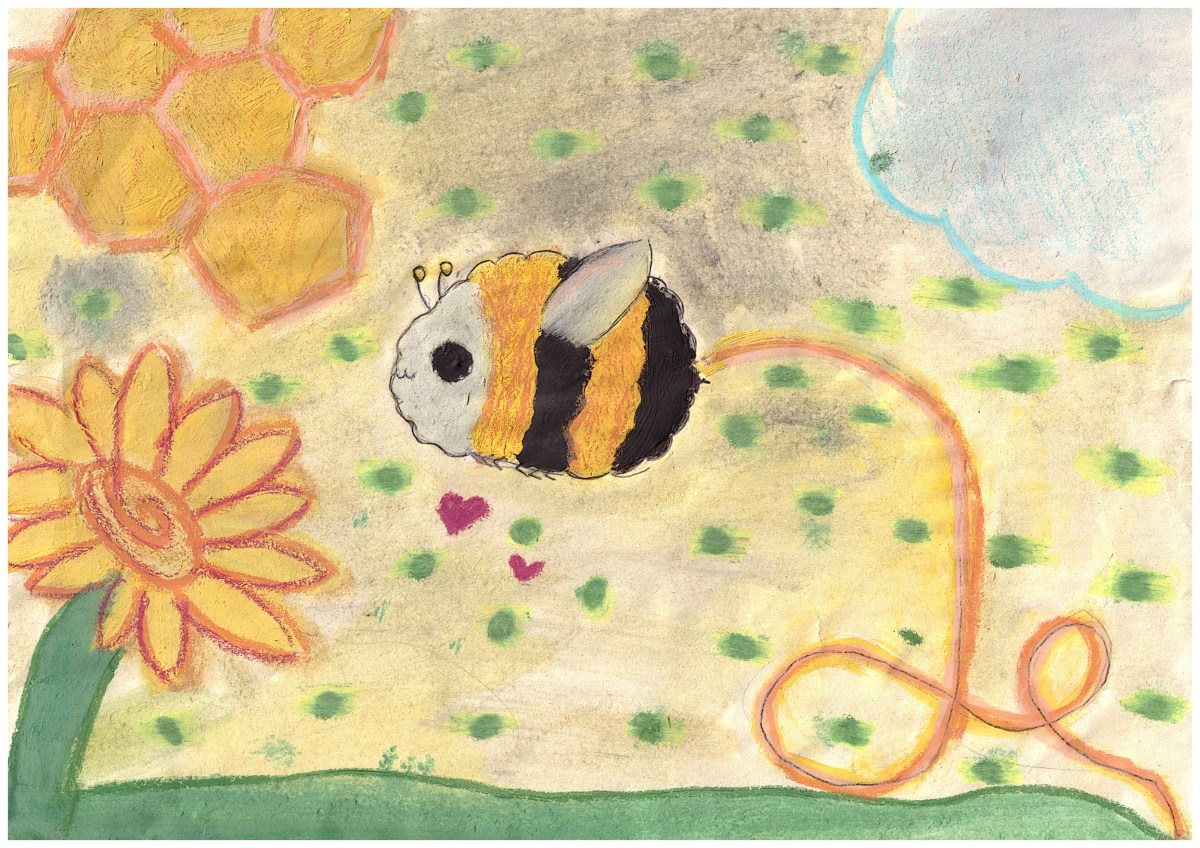
Artwork by Varvara Tretiakova

By: Raiyan Bakshi, 17, US

Insects… Pesky rashes, annoying buzz, disease vectors, overall nuisance. We usually don’t think of their tireless pollination, waste decomposition, and many other natural processes they facilitate.

The truth is insects, as pesky as they may be, are crucial for life on earth. We see them in everyday products from honey to silk. The health of our soil and food is heavily influenced by insects. They decompose organic matter and recycle these nutrients back into our soil, stimulating the nutrient rich crops we end up eating. While many think of insects as the pest, many of them like ladybugs, spiders and dragonflies, control pest populations, which also reduce the need for chemical pesticides. Furthermore, our ecosystems rely on them as a means of seed dispersal, pollination, or promoting biodiversity by being the primary food source for smaller animals.

Unfortunately, their survival, along with the benefits the Earth enjoys, are in danger. Intensive pesticide use in modern agriculture often stimulates too strong of a reaction for the natural balance of the ecosystem, not only wiping insect populations, but hurting the food web. Habit loss from excess urbanization and deforestation generally causes losses of biodiversity, but with insects it often has a compounding effect with many of their dependent species also hurt. Changes in climates and extreme weather patterns disrupts usual insect life cycle behaviours with crop flowering, diminishing their pollination rates.

These problems have no easy fix, but addressing them is necessary in our fight to protect our planet. Policies for sustainable agriculture and pesticide use, controlled land development, and dependency away from fossil fuels contributing to global warming are all steps in the right direction.

As we commit ourselves to saving our life on earth’s land, let’s not forget about our tiny allies promoting nature in our land, air and seas.

Description of Santiago

By: Valentina Isabel Fernandez Weissmann, 14, Chile

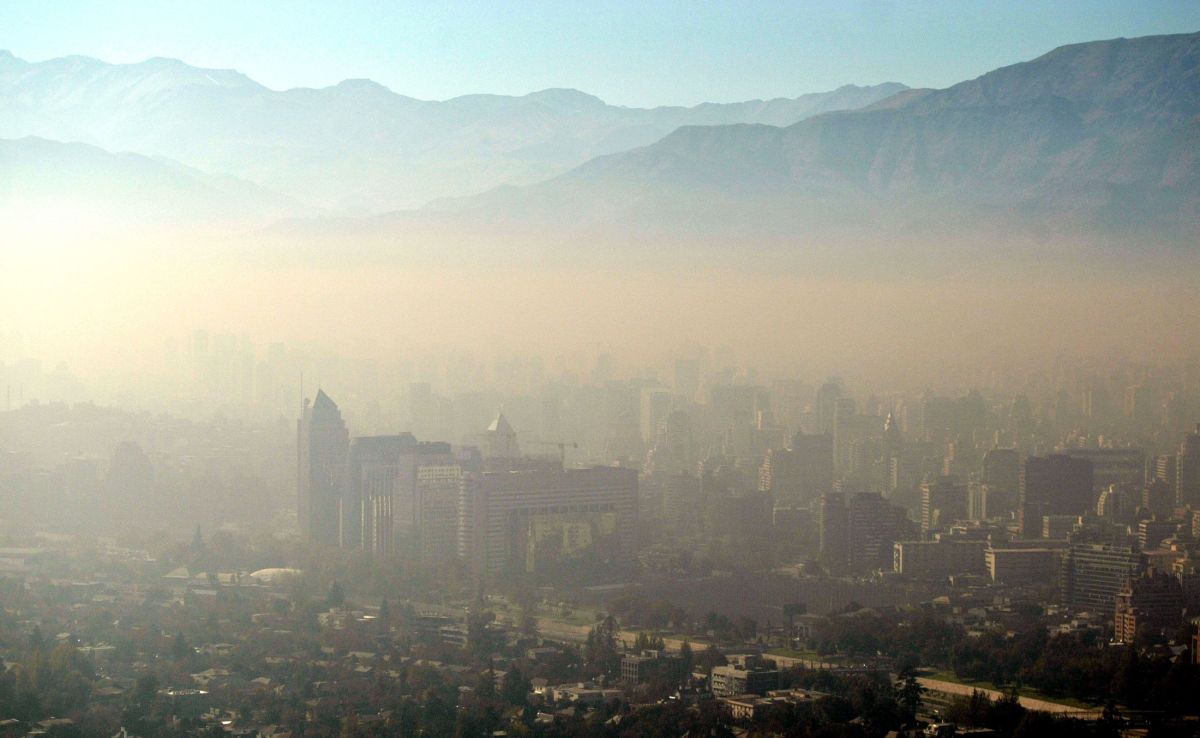
The large city of Santiago de Chile lies beneath the translucent, pale gray and brown breath of pollution, suffocating to all; important to none, as the coal continues burning in people’s homes. This city was nurtured by mother nature, who, with a smile, brought an eternal sunlight in, keeping the flowers, with petals soft as silk, warm, as she swept her mighty hand across the vast mountain range, shaping the Andes. The summits accepted her will, creating a valley, meant to hold life for the people, the ones that now walk through the historical streets. 

They do not pause to give back to what Nature has provided. For now that she lays sick, from the fault of whom she empowered, the citizens of this marvelous country do not hand her the medicine that they could possess, through an effort sounding simple as being moral and principled. A physical effort is easily overcome, if the mind is strong; yet the effort of changing oneself, for good, to do  good, is one task that mankind continuously fails to fulfill, and it remains a task that humanity is obliged to do, if it wishes not its own destruction. 

And so the people of the city walk through the polluted streets, bottles and plastic thrown carelessly around, the choking of animals on glass and fabrics continuing,  ignored. The weeping ground continues shaking,  the humans uncaring of the damage they have caused, unaware of the valley in which they find life, and unaware of the mountains that surround them, protecting and sheltering. The pure,  enchanting giants that are mountains go unappreciated. It is a privilege to walk outside and behold the unreachable, and endless. Covered in snow, or in grass. Full of life, full of death. So gracefully created, so painfully destroyed.

And then, in the distance, a glimmer of hope. A stubborn little tree of thorns, thriving. A little girl, of five or four, pouring water on the growing desert plant, the action a small way towards healing the sick. The lights of the city like artificial fireflies, dancing through the night, replace the stars that would be seen if not for the very thing that is substituting them. There are flowers of all colors, of sizes big and small, interlacing or alone, but fewer and fewer species with each passing day. There are clouds white as jasmine, the swans of the sky; mountains striking and strong; snow puffy, soft, numbing cold; grasslands some dry, some thriving.  Standing atop them are cows with brown and black spots and horses prideful of their shining coats. All things that will soon pass, the ignorance of humanity detrimental to these small beacons of hope that stand in the forgotten, and imprudent city of Santiago de Chile.  

Wayanad Landslides 2024: A Tragedy Rooted in Environmental Neglect

By: Sanvika Sandeep, 15, UAE

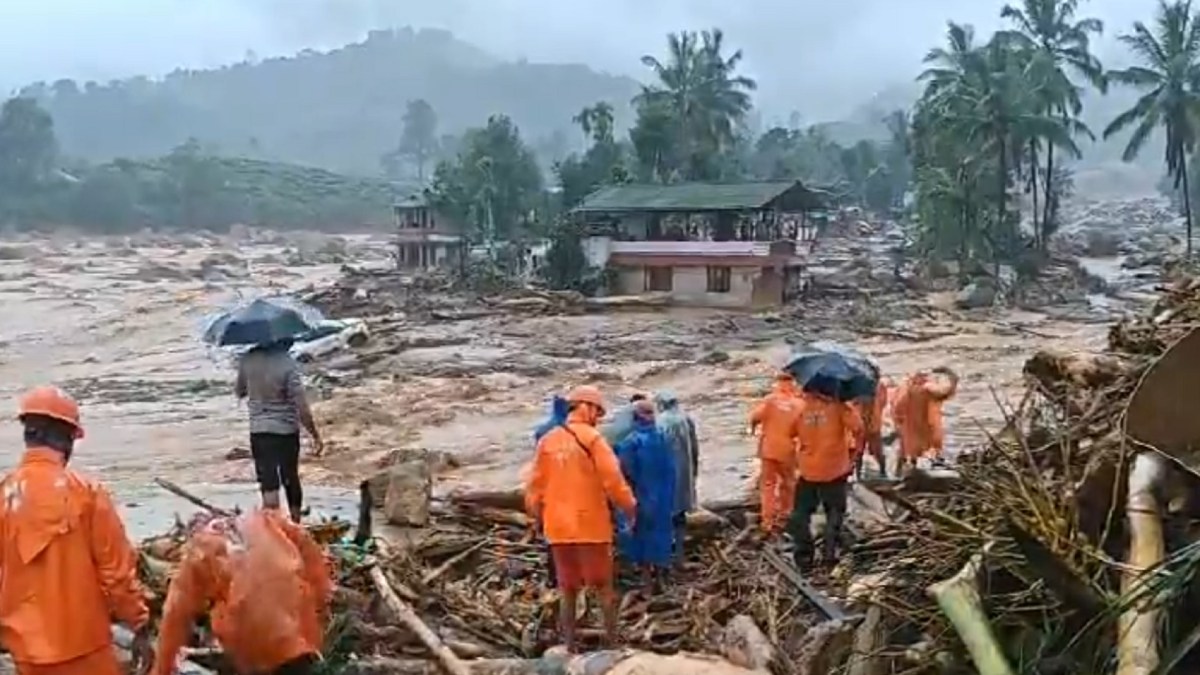
The 2024 landslides in Wayanad serve as a stark reminder of nature’s devastating capabilities, exacerbated by human influence. Wayanad, a mountainous district nestled in the Western Ghats, bore the brunt of the disaster, with over 300 lives lost and entire communities devastated. The heavy rainfall that triggered the landslides also caused widespread flooding across northern Kerala, washing away bridges, inundating homes and roads, and leading to power outages, plunging the region into turmoil.


In the days leading up to the disaster, Wayanad experienced persistent monsoon rainfall, which led to the destabilization of its already fragile hillsides. The severe downpours, exacerbated by a changing climate, played a significant role in the disaster that unfolded in Wayanad. The soils in Wayanad, already highly saturated from the ongoing monsoon season, were unable to absorb the deluge that fell on the day before the landslides. This saturation, a common phenomenon in the region during the rainy season, left the land vulnerable to collapse.


Entire towns were engulfed by mud and debris following the landslides, complicating rescue operations due to perilous conditions. Homes were overtaken by the earth, tearing apart families, leaving survivors to struggle with the loss of their jobs, security, and loved ones. The rivers and streams, once lifelines for these neighbourhoods, transformed into channels of destruction, carrying away not only soil but also the dreams and aspirations of the local populace.


In the context of Wayanad, SDG 15, which is focused on protecting life on land, is strikingly important. The landslides served as a startling example of what happens when terrestrial ecosystem health is neglected. Landslides were more likely because of the exposed and susceptible soil caused by the removal of tree cover. The tremendous biodiversity of the area was put in even greater jeopardy when the soil gave way, burying human dwellings along with wildlife habitats.


As Wayanad works to recover from this tragedy, the lessons learned from the landslides must not be forgotten. Human activity, environmental fragility, and climate change have combined to create a volatile situation that demands immediate attention. Preserving the region’s ecosystems, improving infrastructure resilience, and tackling the underlying causes of climate change are imperative in preventing future disasters and safeguarding the lives and livelihoods of those who call Wayanad home.

From Soil to Sky: The Rich Tapestry of Life on Land

Artwork by Aida Mugutdinova

By: Mahesh Mandavelli, 15, India/Poland

Did you know that the Earth experienced its warmest day in recorded history on July 22, 2024 with a global average temperature of 17.16°C (Copernicus Climate Change, 2024, July 25)? Annually, around one-third of the Earth’s geographical area is at risk of desertification (“The World Counts”, 2023). Furthermore, the populations of several species have experienced a significant decrease, with an average reduction of 69% since 1970 (Pullen, 2022, October 13). These concerning figures highlight the immediate necessity for taking action.

Forests, which occupy 30% of the Earth’s surface (Ritchie, 2021), have a vital function in mitigating climate change, offering sustenance and refuge, and  sustaining a wide range of ecosystems and indigenous communities. Approximately 1.6 billion individuals depend on forests for their means of subsistence (Chao, 2012). Although there is growing global recognition of land degradation, invasive species, poaching, and wildlife trafficking, these dangers persist and pose ongoing risks to the conservation of  biodiversity and the habitats of indigenous groups. If we do not take fast and coordinated action, there is a high probability that one million plant and animal species will become extinct. 

Land encompasses several elements such as trees, houses, humans, animals, climate, and more. In general, humans bring about alterations. Regardless of the circumstances,  global warming will persist until humans take action to alter the climate. In order to initiate a transformation, it is imperative that we address the issue of desertification and deforestation, starting with the soil. The second factor to consider is the climate. Upon cultivating the plants, we can observe the alteration in temperature. Once soil and climate conditions are established, human existence becomes intricately linked to the availability and quality of air and water. By refraining from polluting nature with substances such as plastic and petroleum gas, we can have tranquil lives. It is important to acknowledge that we are all interconnected in the intricate network of life, and our activities have an impact on every individual and element on Earth. The fact that everything is connected emphasizes our shared duty to safeguard our world. 

Each individual has the ability to contribute towards its accomplishment. Conduct  research on companies that implement sustainable packaging and other  environmentally conscious activities. Request the cooperation of your acquaintances  and relatives to initiate the practice of recycling and motivate all individuals within your  social circle to bring their personal bags when shopping at grocery stores. Utilize a  collection of durable utensils, drinking tubes, and a container for liquids such as a water  bottle or canteen. You have the ability to express your endorsement to both your local  and federal authorities. You can also educate others in your community on the ways in  which deforestation and land degradation contribute to climate change and the loss of  plant and wildlife diversity. Coordinate the establishment of a communal horticultural space or an arboreal planting occasion and emphasize the significance of engaging in  planting activities. It is important to bear in mind that each of us possesses the ability to  have a significant impact. The choices you make have significance and have the  potential to bring about change.

References

Chao, S. (2012). Forest peoples: numbers across the world(Vol. 10, p. 2017). Moreton-in-Marsh, UK: Forest Peoples Programme.

Copernicus Climate Change. (2024, July 25). New record daily global average temperature reached in July 2024 . Climate.copernicus.eu. https://climate.copernicus.eu/new-record-daily-global-average-temperature-reached-july-2024

Pullen, A. (2022, October 13). WWF Living Planet Report: Devastating 69% drop in wildlife populations since 1970. Www.wwf.eu. https://www.wwf.eu/?7780966/WWF-Living-Planet-Report-Devastating-69-drop-in-wildlife-populations-since-1970

Ritchie, H. (2021). Forest area. Our World in Data. https://ourworldindata.org/forest-area

The World Counts. (2023). Www.theworldcounts.com. https://www.theworldcounts.com/challenges/planet-earth/forests-and-deserts/global-land-degradation

The Mysterious Case of the Missing Marine Life

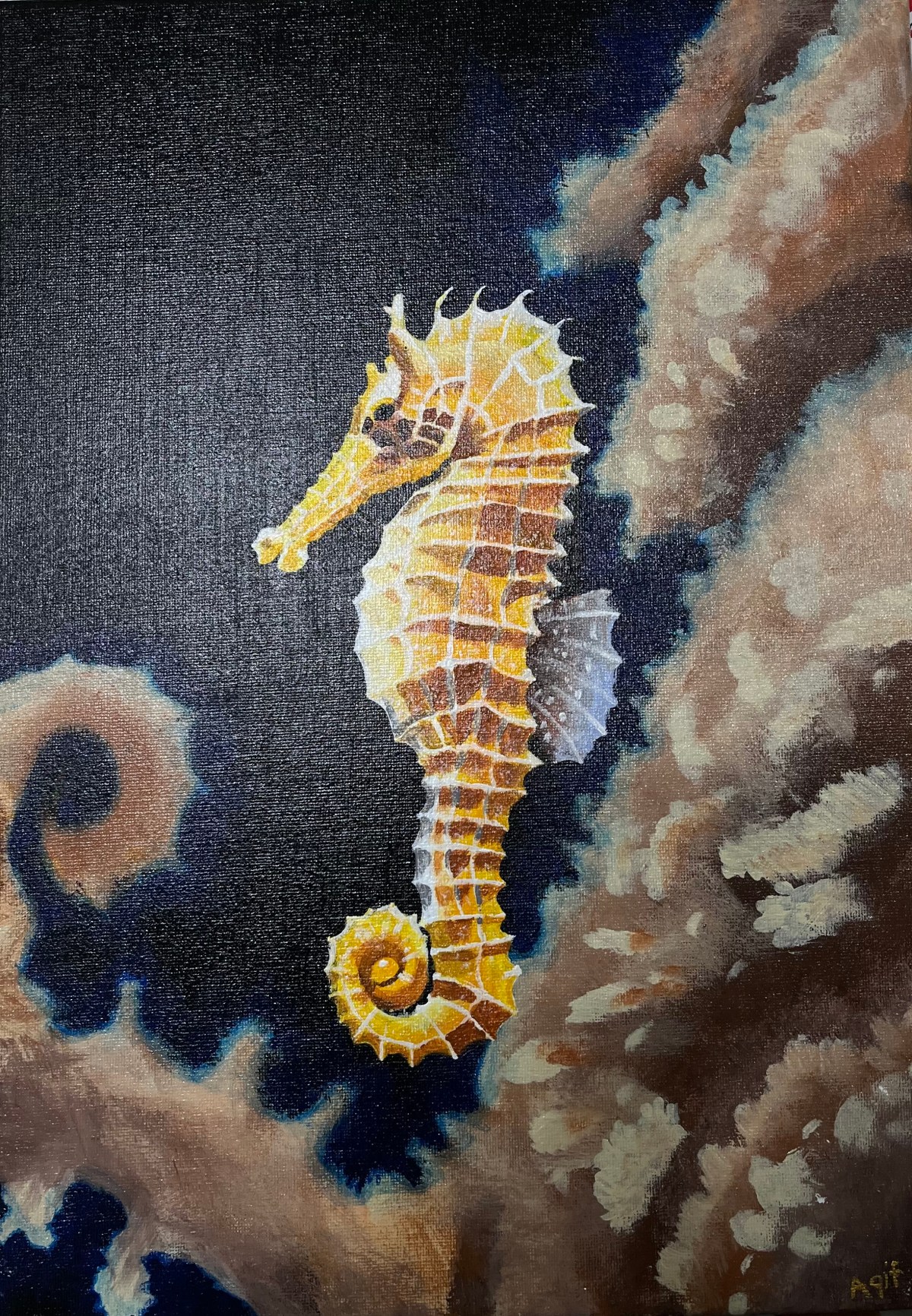
Artwork by Aqif Shairazee Abdul Rashid bin Othman

By: Deepesh Ayyapparaj, 12, India

Imagine a world where the ocean’s majesty is diminished, its vibrancy dulled, and its songs silenced. This is the reality we face if we don’t act to protect our planet’s marine life. This is the alarming reality we face today, a mystery of missing marine life unraveling before our eyes. But like any good mystery, there are clues and suspects, and with careful detective work, we can solve this case and restore the health of our oceans.


The Whodunit: Identifying the Culprits
The culprits in this mystery are not hidden villains; they are well-known to us, and they operate in plain sight. Climate change, pollution, and overfishing are the prime suspects in the disappearance of marine species. Rising ocean temperatures and acidification are altering habitats, making it difficult for creatures to survive. Pollution from plastics, chemicals, and agricultural runoff chokes our waters, harming marine life. Overfishing and destructive fishing practices deplete fish populations, disrupting the delicate balance of the ocean’s ecosystem.

The Detective Work
But there’s hope! By investigating our own impact on the ocean and making changes, we can crack the case of the missing marine life. We can reduce our carbon footprint, choose sustainable seafood options, and support conservation efforts. Community clean-ups, campaigns against single-use plastics, and advocacy for stronger environmental policies are all part of the detective work needed to solve this case.

The Verdict
The disappearance of marine life is a direct result of human activity. However, the verdict is not yet final, and we have the power to change it. By making conscious choices and advocating for the protection of our oceans, we can ensure that the verdict is one of hope and restoration. Let’s work together to bring the ocean back to life, hear its songs once more, and witness its majestic creatures’ return. The ocean is our shared heritage, and it is up to us to protect it.

Empowering Youth to Protect and Preserve Life Below Water

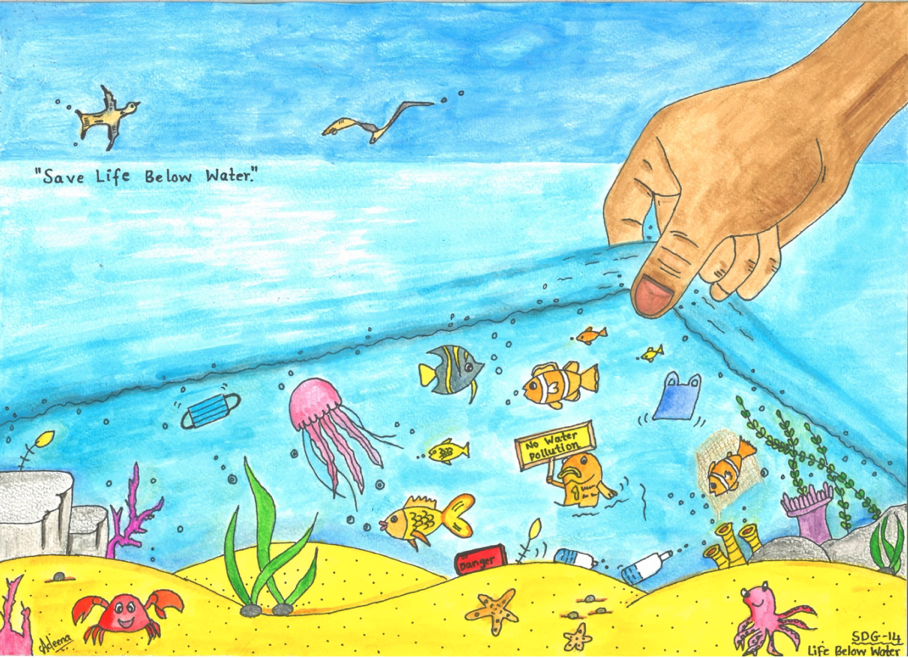
Artwork by Adeena Asif Mukadam

By: Adeena Asif Mukadam, 13, UAE

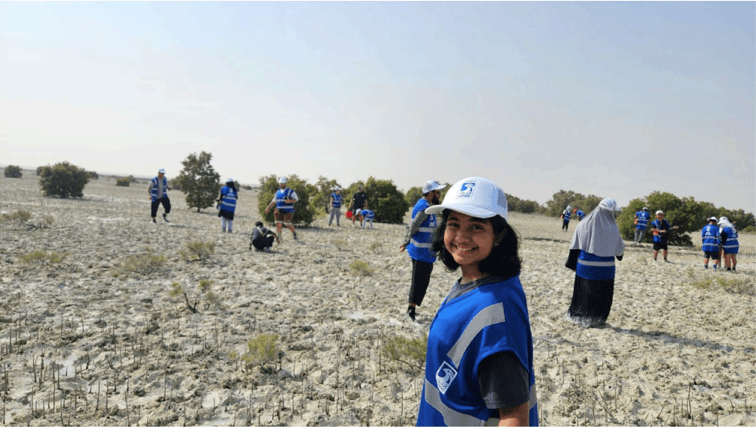
SDG Goal 14, “Life Below Water,” is about taking care of our oceans and seas. As a 13-year-old student from Year 8 at GEMS Cambridge School in Sharjah, UAE, I have seen firsthand how important it is to protect our oceans. I have been volunteering to clean up beaches and doing my part to make the ocean cleaner and safer for all the creatures that live there.


When I first started volunteering for beach cleanups, I was shocked by how much trash ends up in the ocean. Plastic bottles, bags, and even old fishing nets can be found tangled up on the shore. It made me realize that every little bit of trash we throw away can eventually harm marine life. That’s why I have made it my mission to keep raising awareness about ocean pollution in my school by creating posters and artwork. I have organized talks and activities to show my classmates why it’s so important to protect our oceans and how they can help.

One big part of this goal is to stop pollution in the oceans. As you can see in the artwork, a lot of plastic and other trash ends up in the water, hurting animals and even getting into the food we eat. The goal is to make sure we cut down on the amount of trash going into the ocean by 2025. This means everyone needs to work together to keep the oceans clean and safe. Through my experience, I have learned that protecting our oceans is not just about picking up trash – it’s about changing how we think and act. We need to be more careful about how we use plastic and make sure we recycle properly. I have also encouraged my friends and family to join beach cleanups and think twice before using single-use plastics.

Another part of the goal is about fishing. Overfishing is when people catch too many fish too quickly, which can make some kinds of fish disappear. SDG 14 wants to make sure that people fish in a way that doesn’t harm the fish populations. This means using better fishing practices and stopping illegal fishing so that there are always enough fish for everyone. Every small action we take can make a big difference.

Lastly, the goal is also about protecting places like coral reefs and mangroves that are home to many sea creatures. These places are in danger because of things like climate change and pollution. By protecting these areas and making sure they stay healthy, we can help the animals and plants that live in the ocean. In conclusion, SDG Goal 14 is about making sure our oceans stay healthy for the future. By volunteering, spreading awareness, and making smarter choices, we can all contribute to this important goal. I am proud to be doing my part, and I will keep working to ensure our oceans remain clean and full of life.

Stop the Cause, Be the Change.

Photograph by Deborah Thankam Ciju

By: Deborah Thankam Ciju, 14, India

Ever since I was a child, I’ve been taught that littering is a major no-no. But when I look around my city, all I see are heaps and piles of trash everywhere. Witnessing the devastating floods and landslides in Wayanad, Kerala, where waste-clogged rivers and hundreds of lives are at risk, deepened my resolve. That’s why I made a promise to nature, I vowed to volunteer for clean-ups and reforestation efforts, determined to play my part in restoring and healing our land.

Life on land is a rich tapestry of ecosystems, where diverse species coexist and interact in a web of life. From lush forests and sprawling grasslands to arid deserts and towering mountains, terrestrial habitats support a vast array of organisms, each playing a unique role in maintaining the balance of nature.


Sustainable Development Goal 15 (SDG 15) focuses on “Life on Land,” aiming to protect, restore, and promote sustainable use of terrestrial ecosystems. It addresses crucial aspects like managing forests, combating desertification, halting and reversing land degradation, and stopping biodiversity loss. Forests cover about 30% of the Earth’s land area, yet they are under constant threat from deforestation, which has severe consequences for the environment and climate.


Implementing SDG 15 begins with YOU! Start raising awareness about the importance of protecting terrestrial ecosystems. We as a community can participate in tree planting, support sustainable farming practices, and reduce deforestation by opting for responsibly sourced products. With wildfires, illegal logging, and other human-related causes of the destruction of land, we can put an end to this endless ending of misfortunes. Let history stop repeating itself and together we can stop the cause and become the change!

A Roughtail Stingray in Cuba

Artwork by Nicolas Patrick Oppman

By: Nicolas Patrick Oppman, 10, Panama/US

Hello, my name is Nico, I’m 10 years old, I live in Havana, Cuba, and I’m starting grade five. Last weekend I went to a beach in Cuba called Playa Larga for a last summer weekend outing and I saw something horrible! So I decided to share my story with you.

It was a regular day and my sister, my mom, and I had been kayaking off the coast of Playa Larga close to our weekend vacation rental. While we were putting the kayaks back into the house, we noticed a group of people on the beach surrounding three fishermen with nets in their hands.

We walked closer to see what the commotion was about and saw a huge roughtail stingray! Then we watched as one man picked up a bamboo club and slammed it on the stingray’s head. I was so horrified by what I saw that I walked away.

Some time later I came out to the beach to see if the stingray was still there. I was surprised to see the fishermen still trying to untangle the net from its limp body. I figured the ray was dead after all that beating. Then I overheard my mom asking the fishermen if they would eat the ray. “Yes,” one of them said, “It’s a delicacy in these parts.”

Later my mom told me I should write about what I had seen to share with other people, so I wrote this short story. I know now that whenever you catch a fish or sea creature and you plan to eat it, please kill it humanely and quickly so nobody has to suffer.

Adding on to that, I should say that we should stop overfishing because marine life (as all life) is meant to be studied and preserved, not overeaten and massacred.