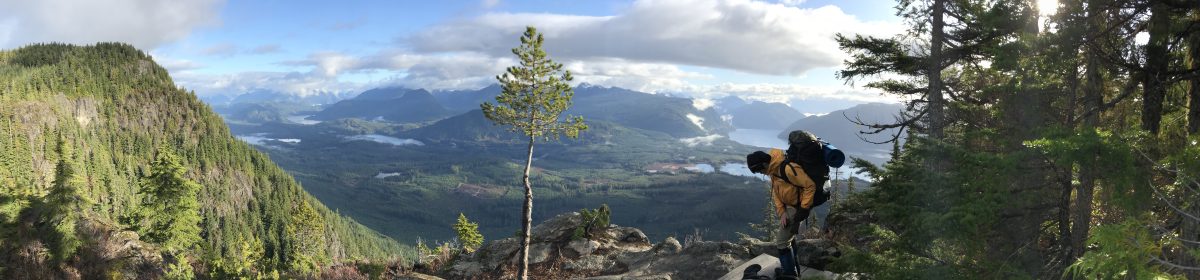
Our misty green fenlands of East Anglia are drying up and sinking, as loss and damage due to climate change, nature destruction and flooding is increasing. A century and a half of drainage and questionable water management has left much of Cambridgeshire below sea level, held up only by pumps and ageing banks — and that same drainage is destroying the very peat this rare natural ecosystem, and the people who live in it, depend on.
Our Fenlands Restoration for Flood Defences project, part of GYC-SLS Cllr Nico Cordonier Gehring’s UWC Atlantic Systems Transformation Pathway intervention, is exploring how nature-based solutions like re-wetted fenlands can work alongside other flood defences. We are advocating for green not just grey infrastructure, so that our precious local wetlands and waterways can foster rather than frustrate sustainable water systems governance (SDG 6), promote climate change mitigation, adaptation and resilience (SDG 13) and protect critical habitat for biodiverse species (SDG 15).
Over the past months we have consulted scientists, community groups and drainage boards, created new educational materials and a homepage, run workshops in local rural and urban schools to pilot the materials, edited a Heron Habitat Helpers Handbook for local children and families and a special SDG 6 clean water issue of our Harmony youth online journal, and spoken up for future generations in local and global water and wetlands events. We also advocated for the rights of the River Cam, in a special community festival on 21 June 2026, and celebrated the Cambridge City Council’s recent historic resolution to recognise the river’s rights.
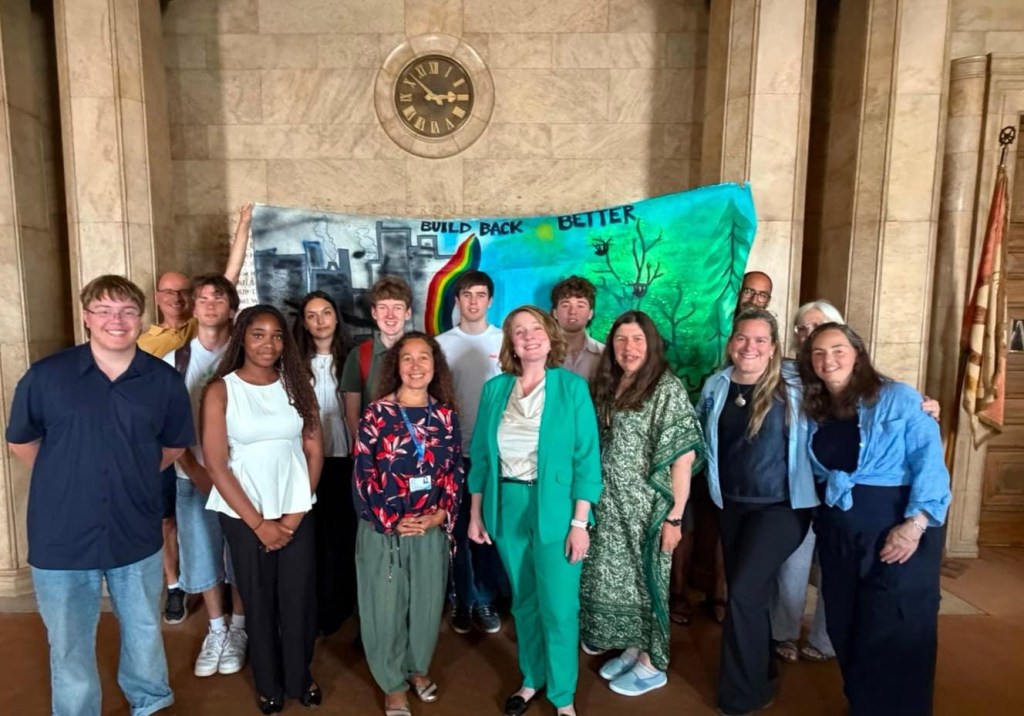
Making the invisible visible
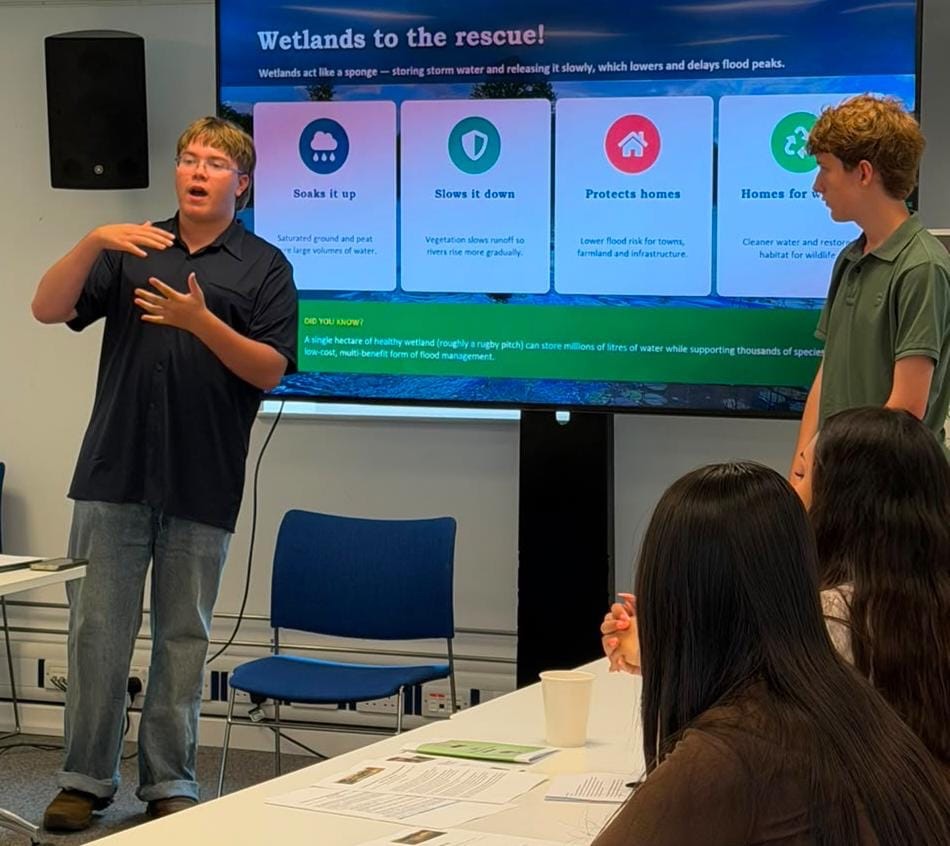
Teaching the fens is harder than it sounds, because the fens do not look like a crisis. They look like flat, productive farmland. As Nico explains, that is precisely the problem — the peat is subsiding by centimetres a year, invisibly, and the flood defence conversation is still framed as a choice between concrete and doing nothing. So our workshop decks for Years 5–8 and Years 9–13 have been rebuilt to make the invisible visible: feedback loops, the iceberg model, and a sponge experiment that lets a nine-year-old feel the difference between saturated peat and drained peat in their hands. The Heron Habitat Helpers Handbook takes the next step, converting understanding into something a child can actually do — a pond to build, herons to tally, compost to buy peat-free. All of it is being prepared for a dedicated GYC homepage, so that any teacher in the region can pick it up and run it without us in the room.
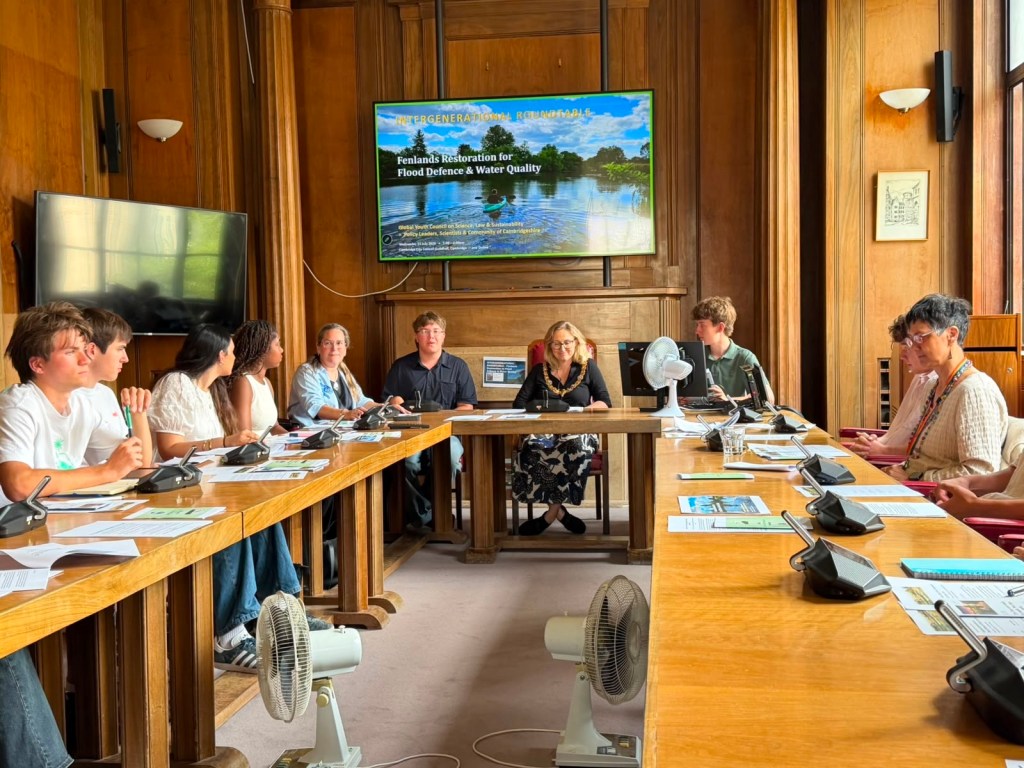
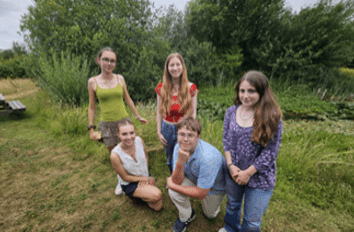
Young people have been sharpening these materials rather than simply receiving them, and their critique has been sharper than our own. As Jeremi highlights, materials that explain the problem without offering agency risk leaving children anxious rather than equipped — the emergency framing has to arrive alongside something to do about it. As Katie and Graeme note, the fenlands natural land and waterscapes are priceless, but urban-rural splits may matter: a pupil in a Cambridge classroom, a pupil in a flooded Peterborough development, and a pupil in a village where the family farm pays a drainage board levy come to wetlands with entirely different starting assumptions, and one set of slides cannot serve all without acknowledging that. As County Cllr Ros Hathorn observes, there is something genuinely heartening in seeing young people from right across the county — cities, market towns and villages alike — choosing to work together on this, and in the clarity of their commitment to protecting nature and the local ecosystems they have grown up in.
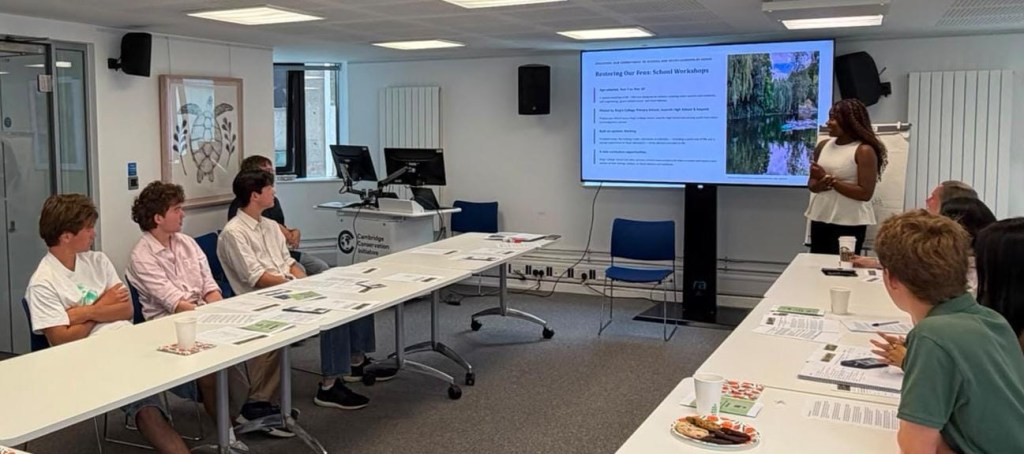
That commitment needs somewhere to go, though. As Sophia proposes, with Nico, Jeremi, Ethan, Saskia, Thomas, Joseph, Katie, Carla and Ras among others fully supporting, what the fens now need is a standing Fenlands Youth Advisory Commission, so that young people are built into the consultation and planning processes as a matter of course, rather than invited to speak once and thanked. Alongside the teaching materials, we are building the case outwards — pursuing Ramsar Wetlands City accreditation for Cambridge and Peterborough, a status no city in the East of England yet holds, and editing a special SDG 6 clean water issue of our Harmony youth journal that tells the story of the fens to young readers well beyond them.
What it will actually take to shift the system
Our declaration makes a specific claim: that flood and water management is a system, not a single line of defence, and that wetlands and floodplains are green infrastructure — not a soft alternative to real defence, but a working part of it. Every hectare of reconnected floodplain is a hectare of burden lifted from engineered assets that cannot easily be replaced. Our petition turns that into five asks of the Internal Drainage Board, water authorities and the Fens 2100+ programme: restore and create wetlands, adopt soft engineering alongside hard infrastructure, recognise wetland habitats as part of the flood defence system, reduce long-term pressure on ageing assets, and listen to the community. As underscored by the Mayor of Cambridge, Hon Maria Cleminson, none of this is a demand to dismantle the infrastructure that keeps homes and farms viable — it is a demand that the infrastructure stop being asked to carry the load alone. As Prof Marie-Claire Cordonier Segger emphasises, Ramsar Wetlands City accreditation would give that argument real institutional weight: an internationally recognised standard, held by no city in the East of England, that binds urban planning to the health of the wetlands surrounding it and makes the commitment far harder to quietly drop.
The harder question is not whether wetlands work, but why that knowledge is not moving resources including financing. Where are the political and legal openings for fen restoration to be treated as flood infrastructure rather than conservation? What would it take for wetland restoration to compete with concrete when funding decisions are made? Farming, water quality, development and flood risk pull in different directions — who resolves that, and at what level? What is the single biggest regulatory obstacle to large-scale rewetting, and could the River Cam’s newly recognised rights be made to do real work?
As Cllr Dr Antoinette Nestor observes, the constraints here are practical rather than ideological: appraisal rules, land tenure, and the question of who holds the pen. As Cllr Katie Thornburrow stresses, that is exactly why these voices have to be heard at every level at once — city, county, drainage board and national programme — because a case made convincingly in one forum can still fall silently at the next. That is a more tractable problem than disagreement — and a reason to keep pressing. Cllr Cheney Payne and Cllr Olaf Hauk underline the importance of this work, and Cllr Naomi Bennett calls for urgency as the crisis worsens. Our declaration has been strengthened accordingly, and now closes with a commitment we made to ourselves as much as to anyone else: that as the young people of today, we recognise the impact we and future generations will have on water supply, use and quality, and we undertake to mitigate the impact we as humans have on water as part of the ecosystem. The petition is now going out as widely as we can carry it. The Mayor of Cambridge Hon Maria Cleminson and Cllr Dr Antoinette Nestor have already signed.
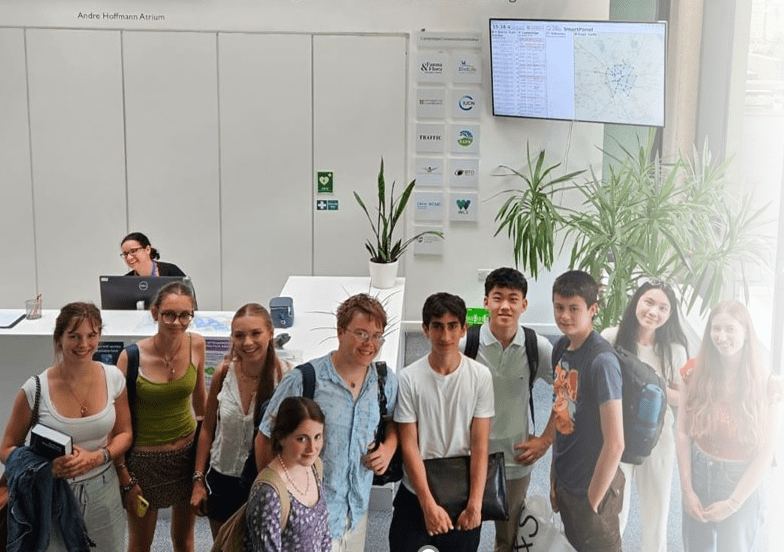
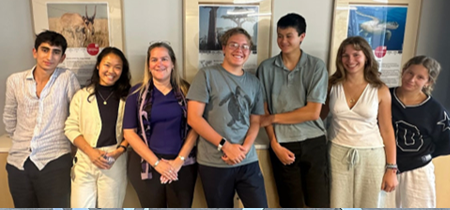
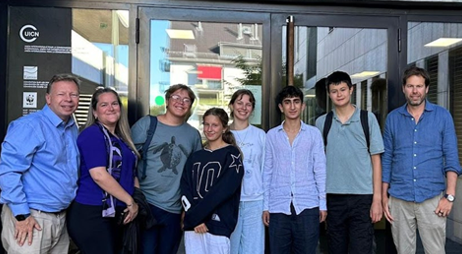
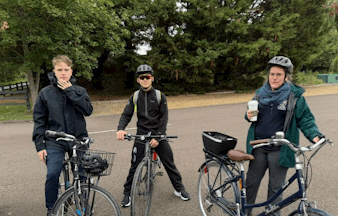
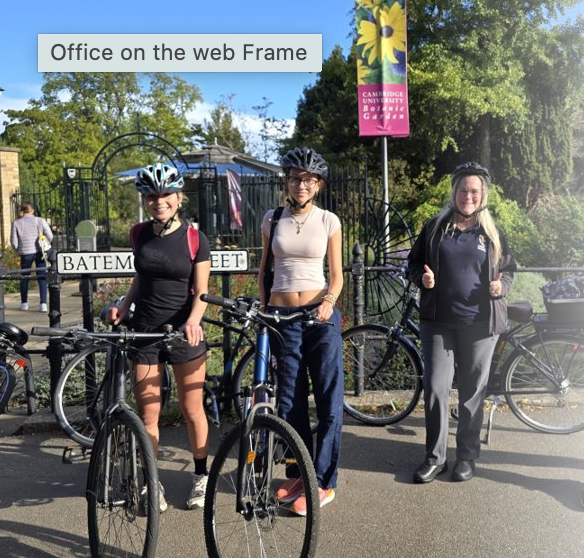
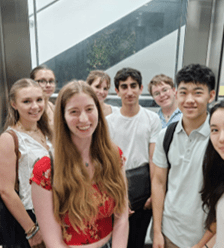
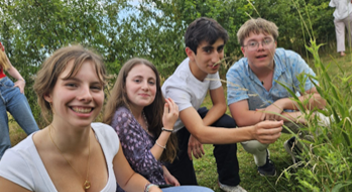
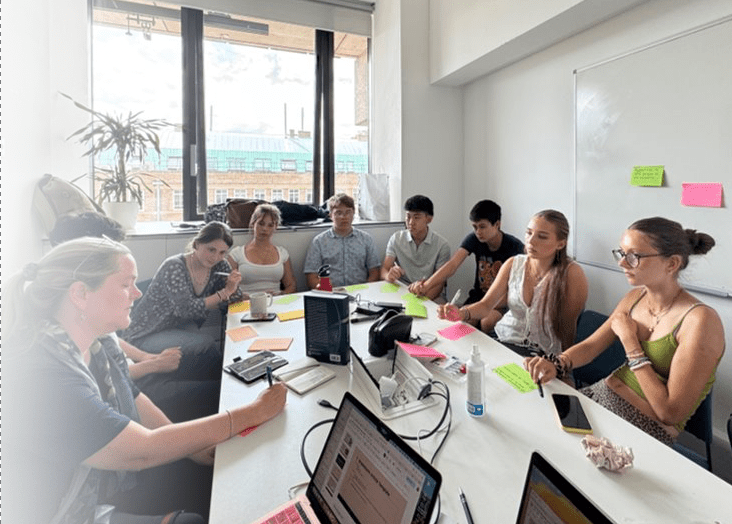
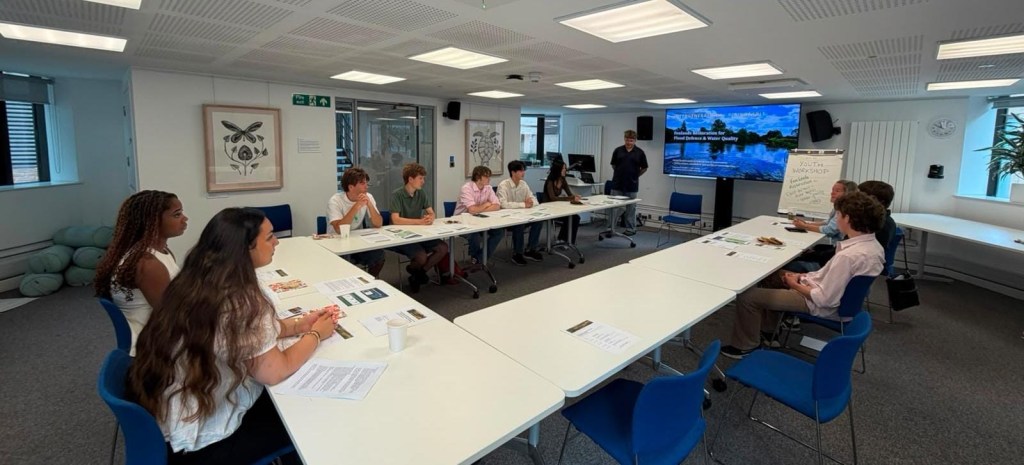
Our warmest thanks to everyone who took part in the Youth Working Session: Reviewing Our Educational Materials, Declaration & Petition, held at the David Attenborough Building on Wednesday 22 July 2026 — and in particular to the young people who travelled in from across Cambridgeshire, including Peterborough, Cambridge and the surrounding villages, whose scrutiny made the materials better. Our thanks also to everyone who contributed to the Intergenerational Roundtable at the City Council Guildhall that afternoon — the councillors, experts and scientists, community leaders, and above all the young people, whose voices were most definitely heard.
Add your name, and share the opportunity to be a voice for future generations with others.