Empowering Youth to Protect and Preserve Life Below Water

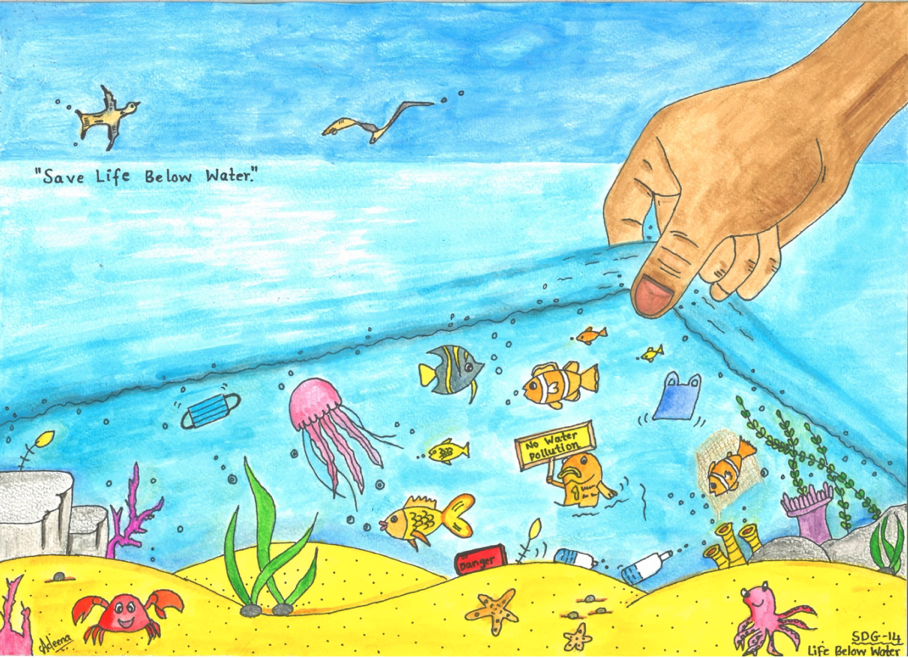
Artwork by Adeena Asif Mukadam

By: Adeena Asif Mukadam, 13, UAE

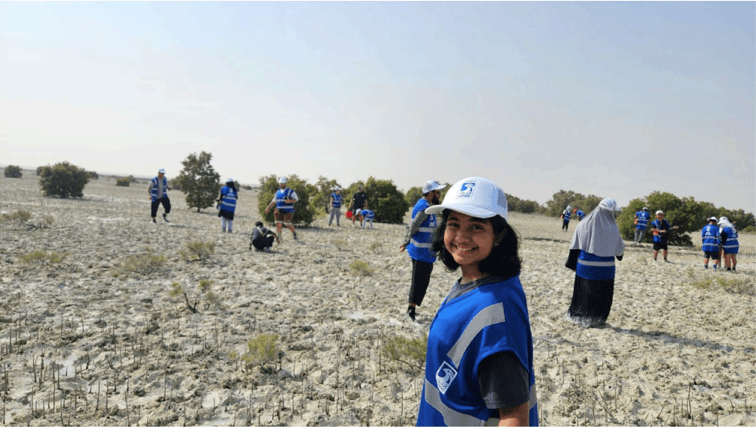
SDG Goal 14, “Life Below Water,” is about taking care of our oceans and seas. As a 13-year-old student from Year 8 at GEMS Cambridge School in Sharjah, UAE, I have seen firsthand how important it is to protect our oceans. I have been volunteering to clean up beaches and doing my part to make the ocean cleaner and safer for all the creatures that live there.


When I first started volunteering for beach cleanups, I was shocked by how much trash ends up in the ocean. Plastic bottles, bags, and even old fishing nets can be found tangled up on the shore. It made me realize that every little bit of trash we throw away can eventually harm marine life. That’s why I have made it my mission to keep raising awareness about ocean pollution in my school by creating posters and artwork. I have organized talks and activities to show my classmates why it’s so important to protect our oceans and how they can help.

One big part of this goal is to stop pollution in the oceans. As you can see in the artwork, a lot of plastic and other trash ends up in the water, hurting animals and even getting into the food we eat. The goal is to make sure we cut down on the amount of trash going into the ocean by 2025. This means everyone needs to work together to keep the oceans clean and safe. Through my experience, I have learned that protecting our oceans is not just about picking up trash – it’s about changing how we think and act. We need to be more careful about how we use plastic and make sure we recycle properly. I have also encouraged my friends and family to join beach cleanups and think twice before using single-use plastics.

Another part of the goal is about fishing. Overfishing is when people catch too many fish too quickly, which can make some kinds of fish disappear. SDG 14 wants to make sure that people fish in a way that doesn’t harm the fish populations. This means using better fishing practices and stopping illegal fishing so that there are always enough fish for everyone. Every small action we take can make a big difference.

Lastly, the goal is also about protecting places like coral reefs and mangroves that are home to many sea creatures. These places are in danger because of things like climate change and pollution. By protecting these areas and making sure they stay healthy, we can help the animals and plants that live in the ocean. In conclusion, SDG Goal 14 is about making sure our oceans stay healthy for the future. By volunteering, spreading awareness, and making smarter choices, we can all contribute to this important goal. I am proud to be doing my part, and I will keep working to ensure our oceans remain clean and full of life.

Stop the Cause, Be the Change.

Photograph by Deborah Thankam Ciju

By: Deborah Thankam Ciju, 14, India

Ever since I was a child, I’ve been taught that littering is a major no-no. But when I look around my city, all I see are heaps and piles of trash everywhere. Witnessing the devastating floods and landslides in Wayanad, Kerala, where waste-clogged rivers and hundreds of lives are at risk, deepened my resolve. That’s why I made a promise to nature, I vowed to volunteer for clean-ups and reforestation efforts, determined to play my part in restoring and healing our land.

Life on land is a rich tapestry of ecosystems, where diverse species coexist and interact in a web of life. From lush forests and sprawling grasslands to arid deserts and towering mountains, terrestrial habitats support a vast array of organisms, each playing a unique role in maintaining the balance of nature.


Sustainable Development Goal 15 (SDG 15) focuses on “Life on Land,” aiming to protect, restore, and promote sustainable use of terrestrial ecosystems. It addresses crucial aspects like managing forests, combating desertification, halting and reversing land degradation, and stopping biodiversity loss. Forests cover about 30% of the Earth’s land area, yet they are under constant threat from deforestation, which has severe consequences for the environment and climate.


Implementing SDG 15 begins with YOU! Start raising awareness about the importance of protecting terrestrial ecosystems. We as a community can participate in tree planting, support sustainable farming practices, and reduce deforestation by opting for responsibly sourced products. With wildfires, illegal logging, and other human-related causes of the destruction of land, we can put an end to this endless ending of misfortunes. Let history stop repeating itself and together we can stop the cause and become the change!

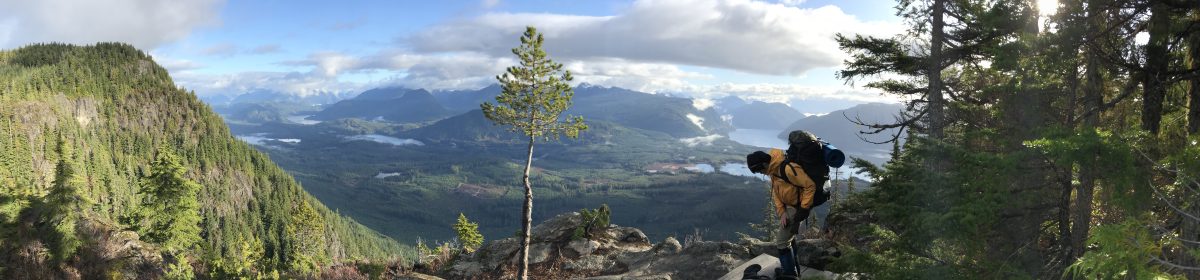
Take Care of Our Forests

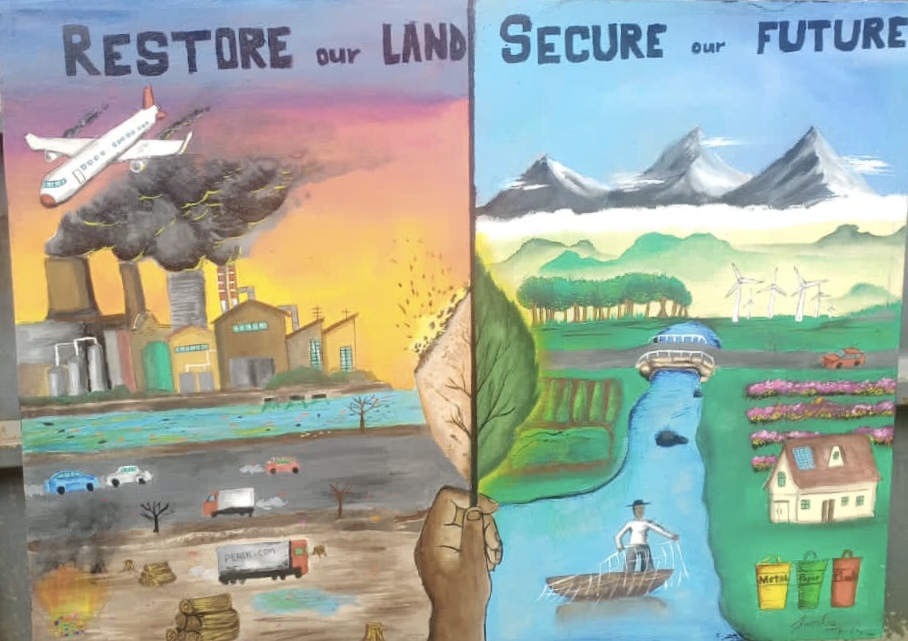
Artwork by Lasya Hota

By: Sydnee Nisyok

Being taught that our lands are sacred, and everything living on our lands is to only be taken as needed and necessary is difficult to comprehend when our land continues to be logged. Living in a remote Indigenous community it is noticeable when we have areas of our land being logged and the lasting impacts for my generation and the generations coming after mine. The loss of forests causes climate change to get worse, the trees are important to create sustainability and battle climate change.


Deforestation is also ruining habitats and homes for animals and living creatures of many different species. Forests are filled with food and resources that people and animals need to live good long lives. Since my ancestors have lived here the forest has provided for us by giving us food, water and shelter and it’s time we take care of the forest too or we will be left with nothing. It has been noticeable that we are having less and less food to harvest and provide for our people and communities.


This is happening for different reasons, one being big companies are chopping down forests for more space for the people in the cities to have bigger buildings. Secondly, the legal and illegal logging for resources such as wood and fuel. Thirdly, wild forest fires due to global warming or human causes are affecting the number of trees that are destroyed worldwide. Finally, they are also taking down forests for lumber for their own use or manufacturing like paper, furniture, or even fuel for cooking and heating. When trees are gone, we do not have them to absorb the greenhouse gases that cause global warming, and when they are cut the release these gases back into the atmosphere.


We all have a responsibility to help our forests. Indigenous communities that may not have the resources that big cities do can still do their part to create change. We can help fix this by using the three “R”s, reduce reuse and recycle. Other little ways to help are by going paperless, supporting smart and responsible companies. When you buy stuff only get the things you need or things with less packaging. You can donate to organizations that go against deforestation, either your time or financially. You can plant trees and help restore the already damaged and logged forests. The biggest thing in my opinion that you can do is educate yourself and others so that more people know what is going on and how to help. We need our forests now more than ever so let’s act now. Be kind and take care of the forests.

Time Due Now

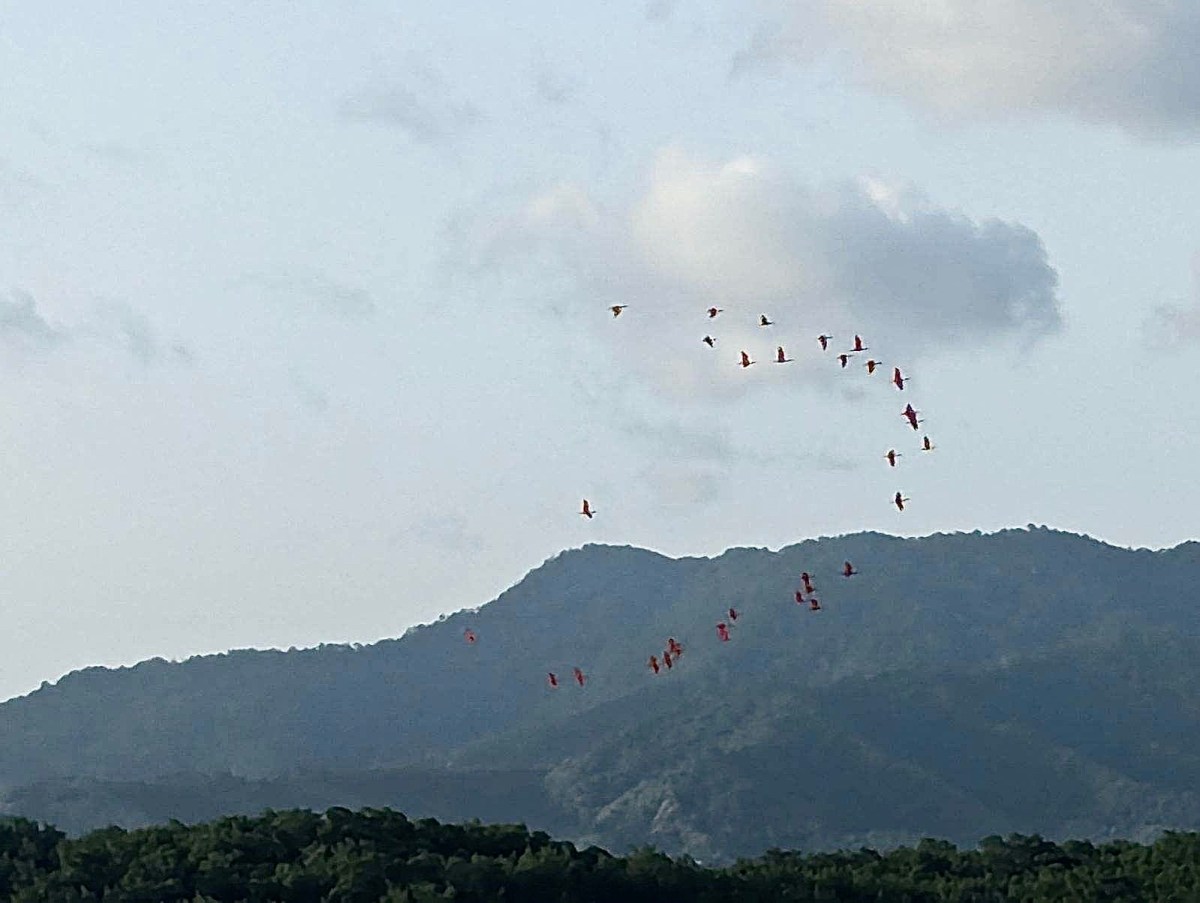
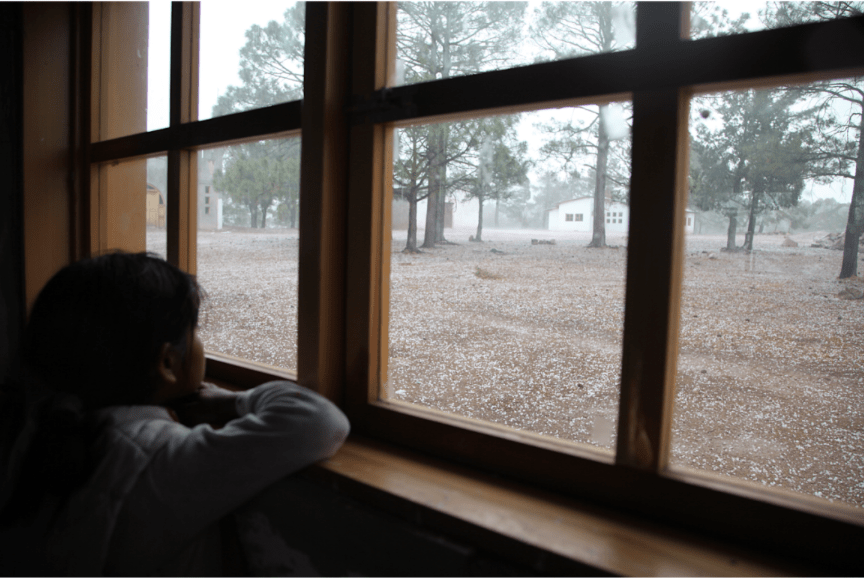
Photograph by Calixtro Vega Valenzuela

By: Emily Viruez Viruez, 18, Bolivia

I feel this sense of loss whenever I think about the woods my mother and I used to go to every weekend; how her free-spirited soul would always be so at ease with the towering trees, endless green. We would walk around those vibrant, living spaces, feeling the energy and beauty fill us. Now, none of those forests exist anymore, or at least, not the way they used to, after having been burnt to ashes by those fires that have recently swept much of our land. What once stood tall, full of life, is now gone. So difficult to fully comprehend that such a thing, so magical in its way, wherein my mom and I would find so much peace, no longer exists, nor shall we again be able to go back to the place. These are not just forests, an ecosystem; these are homes, and their livelihood, memories, and treasures we cannot afford to lose.


The rate at which Bolivian deforestation and the firing of agriculture for expansion take place is in direct conflict with Goal 15 of Sustainable Development, which is aimed at conserving, restoring, and ensuring the sustainable management of our terrestrial ecosystems. The reality is already devastating in a country that houses lots of biodiversity. This means that, up until 2023, a total of 696,000 hectares of forests have been lost, of which the most affected are Santa Cruz and Beni, accounting for a large percentage of 87% (Global Forest Watch, 2023). This situation is even more critical because it is enhanced by destructive practices such as fires, which have destroyed over 4 million hectares so far this year (Fundación Tierra, 2024). Such destruction not only portends a terrible future for Bolivia but also implies a violation of the spirit of SDG 15 by means of land degradation and loss of biodiversity.

Mechanized agriculture, particularly for soybean crop production, contributes to about 30% deforestation in Bolivia (ANAPO, 2021). In the last 15 years, expansion of this crop has been responsible for the destruction of more than one million hectares of forests—which is nearly 60,000 hectares every year (Fundación Tierra, 2024). This huge land clearance is in utter contradiction to SDG 15, which calls for a halt in deforestation and the implementation of methods leading to sustainable use of land. Land use that has been intensive, previously covered by forests, is not only an economic issue but a tragedy to the ecological balance of Bolivia and to its global commitments.

The soy complex is located almost exclusively in the eastern part of the department of Santa Cruz, as 99% of its planted area is distributed across provinces such as Ñuflo de Chávez, Chiquitos, Guarayos, Obispo Santistevan, and Sara (ANAPO, 2021). On the other hand, this geography coincides with those territories that have reported significant losses of tree cover due to fires, an aggravating factor for land degradation and clearly violating SDG 15, which calls for preventing such losses and restoring ecosystems. Between 2001 and 2023, 1.38 million hectares of tree cover were lost in Santa Cruz because of fires (Global Forest Watch, 2023). More precisely, Ñuflo de Chávez has been the region with the highest number of fire alerts—reporting 3,255 in the last weeks (Fundación Tierra, 2024). Chiquitos also stands out with losses totaling 1.37 million hectares. All these are not just numbers; they represent entire destroyed
ecosystems, communities displaced, small producers affected, and an uncertain future for our biodiversity.

The extension of soy crops is devastating our forests, and the current farming-spread and fire-infused farming methods are adding to the fire crisis. Such environmental devastation directly interferes with Bolivia’s ability to meet SDG 15, which is of vital importance in assuring the long-term sustainability of our lands and biodiversity. But we cannot just be speaking in terms of what was lost; we have to act based on it. To that effect, here are some concrete steps we can take as a community and as a country. First, reforestation programs. We have to apply large-scale reforestation programs to recover most of the areas affected, especially in Santa Cruz and Beni. We must work through partnerships with local communities and youth-led environmental groups to foster sustainable forestry practices. Second, transition to sustainable agriculture: Introduce the concept of sustainable agriculture such as agroforestry and crop rotation that would minimize deforestation yet still allow agricultural development. Use government subsidies and international partnerships to incentivize soy farmers toward more eco-friendly practices. Third, fire prevention and control programs: These are stricter regulations in terms of prevention or monitoring of fire-based land clearing. Similarly, the uncontrolled wildfire incidents can be restrained by establishing early response mechanisms among local village communities through the provision of some essential fire-fighting tools. Fourth, youth engagement and education: Engage all the youths throughout Bolivia in the conservation of nature through incorporating environmental education in school curricula, and also through awareness campaigns on the impacts caused by deforestation and land degradation. Empower the next generation to ensure the commitment to change is lasting.

I want this to be an appeal, in fact, to all young people out there in the world: don’t stay silent. What is happening in Bolivia also reflects what happens in many regions of the planet. The time due now is to share the problems so we can solve these challenges together.

References

ANAPO. (2021). Informe Anual de la Asociación Nacional de Productores de Oleaginosas y Trigo.


Fundación Tierra. (2024). Incendios y degradación de la tierra en Bolivia: Un análisis crítico. Fundación Tierra.


Global Forest Watch. (2023). Bolivia Deforestation Rates & Statistics. Global Forest Watch.
Bring Back Biodiversity and Save the Planet

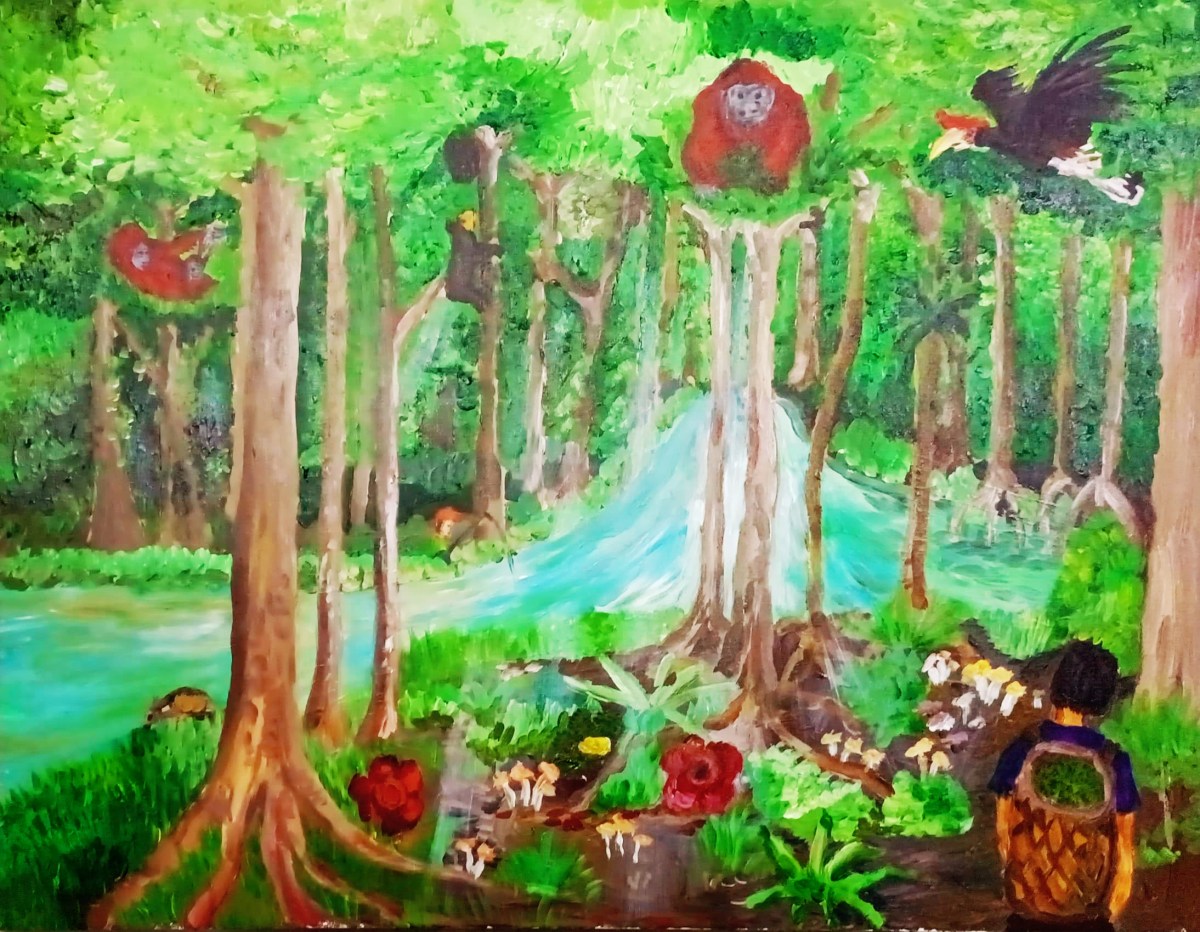
Artwork by Moses Agumba

By: Joy Ubani, 15, Nigeria

My name is Joy Ubani, I am 15 years old and I live with my parents and siblings in a city in Nigeria. I am passionate about environmental sustainability and nature conservation. Growing up, it was always fun visiting my village. The beauty of visiting my village is that I get to connect with natural environments that are unlikely to be found in the city. On my first visit to the village, I was so fascinated by the beauty of the biodiversity around. I saw the trees dancing to the rhythms of the winds, birds flying and singing on top of the trees, grasshoppers hopping from plant to plant and other animals like squirrels jumping from tree to tree. The mushrooms, the snails, honey from bees and wild fruits gotten from the forest, were used to make mouth-watering delicacies that left me feeling like staying back in the village. 

Ten years after my last visit, I went back to the village and behold, the environment had been tremendously altered. Urbanisation had set in and massive deforestation was ongoing. Although the villagers were happy for this massive development that has enveloped their community, they were ignorant of the massive biodiversity loss that has taken place. There were no longer sufficient trees for birds to hop around, the beautiful animals and insects had all gone extinct. All I could see were  massive buildings, houses, construction works, excavation of land for road construction etc. Everyone seems to have forgotten the importance of biodiversity around us.

The quest for development and urbanisation has led to deforestation and indiscriminate cutting down of trees and removal of land cover that used to be a habitat for biodiversity. The environment has become exposed to greenhouse gases that warm the earth surface and make the environment hot and uncomfortable to live in. At night the walls of the big buildings emit heat that makes it difficult for one to sleep comfortably (talk of urban heat island) unlike when the trees were there to take in the carbon dioxide and release oxygen that we needed to breathe well. I am not opposed to development and urbanisation but I believe  that we must make space for planting of trees and beautification of the environment for co-existence of humans and biodiversity. After all, it is said that “diversity is the spice of life”.  

The sustainable development goal (SDG) 15 – Life on Land is calling on everyone to protect, restore and promote sustainable use of the terrestrial ecosystem, management of forest and also conservation of wild life. But, how can we achieve this goal if we continue to allow biodiversity loss? It is important for us to conserve our environment, so that animals and humans can coexist and interact with the environment. Our co-existence with biodiversity is vital for life on land to be more enjoyable, sustainable, and equable.

I have committed myself to plant new trees and I  call on young people like me and you to plant trees in their homes because trees provide us with a conducive environment for relaxation, and shield us from ultraviolet radiation from the sun that are harmful to our skin.

Joy Ubani

Beacons of Hope

By: Saira Thomas, UAE

Have you ever felt overwhelmed by the countless environmental issues we face, like trying to outrun an avalanche? When you see images of sea animals tangled in plastic waste, their fragile bodies pierced by our pollution, have you felt helpless? Have you ever longed for a sign, a reassurance that if we tried hard enough, we could make a difference? Hold onto that feeling as I guide you through two separate challenges—one from life below water, and another from life on land.

A few months ago, while strolling along the beach near my home, I stumbled upon some unusual white stones. Upon closer look, I realised they were corals. This puzzled me, as I remembered coral reefs being beautifully vibrant, not pale and lifeless. My curiosity led me to research, where I uncovered the harsh truth about coral bleaching—a consequence of pollution and rising ocean temperatures caused by global warming. Bleached reefs suffer from slower growth, diminished reproduction, and often die, much like the ones I had found. This past year, coral bleaching has accelerated at an alarming rate, and experts predict that by 2050, up to 90% of the world’s reef ecosystems could die unless drastic steps are taken to reverse global warming (Rolls, 2021).

Let me lift our thoughts from the weight of a daunting future by sharing the inspiring story of the Arabian Oryx. Once roaming the Arabian desert freely, these majestic creatures were nearly wiped out by excessive hunting for their horns, skin, and meat and by the early 1970s, they were declared extinct in the wild (Gross, 2022). Thankfully, a few were rescued, and through dedicated captive breeding, their population began to recover. After years of effort, they were reintroduced to their natural habitat. In 2011, the Arabian Oryx made history as the first species to revert from the status of extinct in the wild to vulnerable (Gross, 2022). The Oryx will forever remain a symbol of atonement, resilience, and hope for nature lovers everywhere.

Despite the grim statistics and warnings, there are many such positive examples that inspire hope. The overwhelming response to Harmony is a testament to the new generation of sustainability warriors making a difference around the world. These individuals are beacons of hope, strengthening our resolve and guiding us toward a better, brighter, and more sustainable future. Together, we can correct the mistakes of the past and build a path forward.

References

‌Gross, M. (2022). Desert revival. Current Biology, 32(9), R399–R401. https://doi.org/10.1016/j.cub.2022.04.051

Rolls, L. (2021, November 12). Why are coral reefs dying? UNEP. https://www.unep.org/news-and-stories/story/why-are-coral-reefs-dying

Apocalyptic Cloud: Bolivia’s Ecological Crisis and Constitutional Reform

By: Carlos Andrés Olivera Caballero, Bolivia

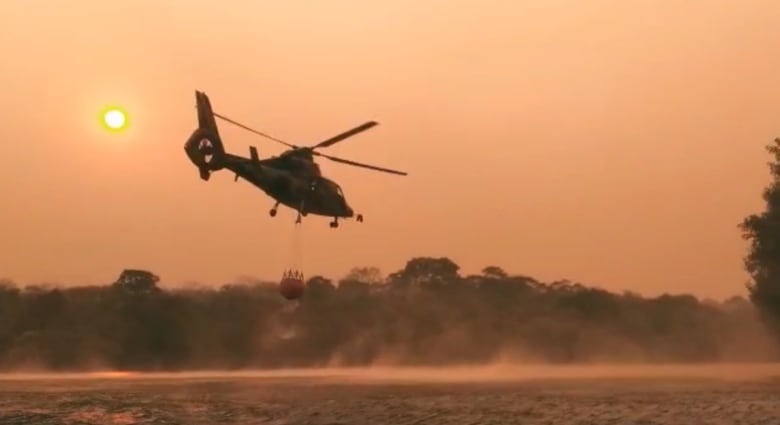
Sitting here at my desk, the sun is nowhere to be seen. This should be a bright, clear morning in Santa Cruz, America’s purest sky, but thanks to these thick, omnipresent, smoke clouds, the morning’s been transformed into an apocalyptic scene. The smoke-filled air is so thick that from my window the orange haze blots out the sun. The fires now ravaging our forests are of such intensity that the flames are no longer on the horizon; they are in our lungs, our eyes, and our future. We are fighting to breathe. I can feel the smoke in my chest, and it serves as a daily reminder of the urgency of the situation we face. This is not a problem lying at a distance for someone else to solve. It is here, choking my community, our land, and our hope. This year’s fire season is ravaging Bolivia as never before. 

This year alone, more than 2.9 million hectares were consumed by the flames ​(United Nations Office for the Coordination of Humanitarian Affairs, 2024). In Santa Cruz and Beni, two of the most affected regions, it is destruction beyond your imagination; it’s a perfect storm created by deforestation, expansion of agriculture, and fire-prone ways of cleaning the lands. According to reports from the “Fundación Tierra,” (2024), more than 4 million hectares have been consumed by fire this year, a figure that is still growing day by day. The scale of the disaster makes it more than a natural disaster; it is a failure of governance-a reflection of a broken system where either the competencies or the resources, or both, are ineffectively distributed between different levels of government.

The Problem: Misaligned Resources and Responsibilities
I believe the main cause underlying this environmental disaster is a structural imbalance in the Bolivian political system. Municipalities, which are the closest to the sites of disaster and in the best position to respond against such disasters, remain underpowered in terms of legal competence to act. The current constitution allocates a considerable magnitude of higher financial resources to municipalities; however, it does so without giving them competencies to legislate on environmental protection and land management. On the other hand, departmental and national-level governments, which have large-scale competencies to address (Fundación Tierra, 2024) fire and deforestation, are grossly underfunded. The subsequent dislocated investment in such ventures has left Bolivia underprepared to contain the fires and avoid further disasters.

The irony is that municipalities, which would, therefore, be able to react faster and more efficiently at these fires, are hamstrung by legal constraints. They have the financial capacity to invest in fire management and fire prevention but lack the legal framework to legislate on these matters. Meanwhile, the departments and national government, while having the authority, are financially starved and unable to deploy resources effectively.

The Consequences of Inaction
This can be seen in all regions of Bolivia where mechanised agriculture has led to about 30% deforestation, more specifically due to the production of soy. In the last 15 years, over 1 million hectares of forests have been destroyed at a  rate of 60,000 hectares per year​. The eastern part of Santa Cruz includes provinces like Ñuflo de Chávez, Chiquitos, and Guarayos, where 99% of its soy plantations have overlapped with areas of devastating forest loss ​(ANAPO, 2021).

While only Santa Cruz has lost 1.38 million hectares due to fires between 2001 and 2023, recent weeks in Ñuflo de Chávez reported 3,255 fire alerts, while the region of Chiquitos saw 1.37 million hectares lost to flames​ (Fundación Tierra, 2024). These are not abstract numbers; this means the whole ecosystem has been annihilated, hundreds of species of animals brought closer to extinction, and native people displaced. The fire crisis has worsened to the point where Bolivia is struggling to meet its commitments under the protection and restoration of life on land called for by SDG 15.

The Urgency for Constitutional Reform
In the face of this worsening crisis, we urgently need to recast our political system. We clearly have one that isn’t working, and unless we change course, these fires will only continue to worsen. I hereby propose a constitutional reform that will make environmental management a competence shared by the municipalities and the departmental governments. In relation to this issue, it should be at the discretion of the municipalities, which are closer to the problem and also possess better conditions to do so. To this end, it should be in their powers to create local fire management teams, intervene faster when the first fires appear, and have the ability to legislate on fire prevention and environmental protection.

The reformed system would only have the national government provide support in special cases, when additional resources might be required. Not only would this distribution of powers handle Bolivia’s response to fires more smoothly but also create a system of land management that is indeed sustainable. Municipalities can utilise their resources to form local brigades empowered to handle fires as soon as they arise and limit the scale of damage with early intervention.

A Future Worth Fighting For
Of course, it is in moments like these that a person just feels powerless, sitting and watching the smoke rise and the sunlight fade. Relentless is how such fires appear to be, and the damage they cause feels irreversible. But looking ahead, we really can’t afford to simply sit with our arms crossed, waiting for help to come. It was about time we demanded this system to work! We need a political structure that allows for swift, effective action when the forests-and therefore, our future-are on fire.

We owe this to ourselves, our children, and our planet. This may be one of the worst fire seasons Bolivia has ever seen, but with proper reforms in place, it might be the last. A constitution that truly empowers local governments to act swiftly and unwaveringly could spell the difference between a Bolivia consumed by flames or a Bolivia that rises from the ashes, stronger and more resilient.

While the sun tries to break through thick smoke outside my window, that gives me hope. The fire may be at a rampage, but it is not burning out our will to fight for a better future.

References

ANAPO. (2021). Agricultural expansion and deforestation in Bolivia. Santa Cruz Report.

Fundación Tierra. (2024). Fires and land degradation: Bolivia’s environmental challenge. Annual Environmental Report.

Global Forest Report. (2023). Deforestation and forest fires in Bolivia. Global Forest Watch.

UN. (2023). Sustainable Development Goals: Life on Land (SDG 15). United Nations Environment Programme.

United Nations Office for the Coordination of Humanitarian Affairs. (2024, September 6). Latin America and the Caribbean: Weekly Situation Update (as of 6 September 2024). Unocha.org. https://www.unocha.org/publications/report/colombia/latin-america-and-caribbean-weekly-situation-update-6-september-2024

The Silent Whispers of Mother Nature: From desolation to hope

Artwork by Kelvin Li

By: Varnessa Kayen Varlyngton, Nigeria

Growing up in the city once known as “The Garden City of Nigeria,” I developed a deep love for nature. However, my idyllic perception of my surroundings was shattered when I witnessed the harsh environmental reality faced by the people of Rivers State.


The city, once a vibrant oasis teeming with life and lush greenery, now stands as a desolate wasteland stripped of its trees. Human activities more rampant than ever have ravaged our once-beautiful landscape. The absence of trees resulted in heat waves that mercilessly tormented us before the rainy season, making it nearly impossible to focus in our classrooms. Children, including my younger sister, fell victim to severe heat rashes and global warming became more evident, a grim reminder of the consequences of environmental degradation. Deforestation was the first sign of environmental degradation in my city that I had ever studied and witnessed.

I began to wonder why humans would be so cruel. Nature has been so kind to us, from the beautiful trees that provide us with oxygen and the little animals that kept us company. Everyone had once praised this land for being so beautiful and great but what is it now? Desertification might be knocking at the door in a few years’ time. Realising that what could be the apocalypse of the earth was us humans, a fire within me had been ignited. I thought to myself: “Nature has been kind to us so let us reciprocate that love”. I began to find creative ways to make a change and say no to deforestation. SDG 15: Life On Land needed to be protected.

To achieve social justice we must achieve environmental justice and this is my message to the world. This was the reason why I decided to start Egalitarianism for Earth, recognizing the interconnectedness of all species, ecosystems, and the Earth, and seeking to ensure ecological equality, environmental justice, and sustainable coexistence. In this relentless pursuit of environmental justice, I launched the Children4Climate Initiative with a movement known as TreeTrek, a bold endeavour aimed at restoring the once-glorious Garden City of Nigeria. Starting the Children4Climate Initiative and the movement is my way of raising awareness and taking actions especially in a world where Gen Alpha aren’t involved in trivial matters that relate sustainability.

From hosting workshops at the local schools, using animations to amplify mother nature’s cry, writing and reporting these environment – related Indigenous stories, creating petitions and writing an open letter to the federal government of Nigeria demanding for climate education, I believe that I am changing that narrative as a young Gen Alpha leader and playing my role in the cycle of life.

We should all understand that life on land is desperately crying for our help….If you can’t hear it I urge you to go back to a quiet place and look at the world around you and see how she’s slowly fading away. However, if everyone eagerly works together to protect Life on Land and take climate actions,we secure a future for all. One where biodiversity thrives and sustainability is at its
peak. Together we can make a difference!