
Building the Bridge Between Science, Policy, and Youth Action
By Annabel Koven (BSc Candidate, Brown University) and Stella Baek (3rd Year, University of Oxford)
Introduction
What does it look like when sustainability science and policy move beyond lecture halls and into the hands of young people ready to act?
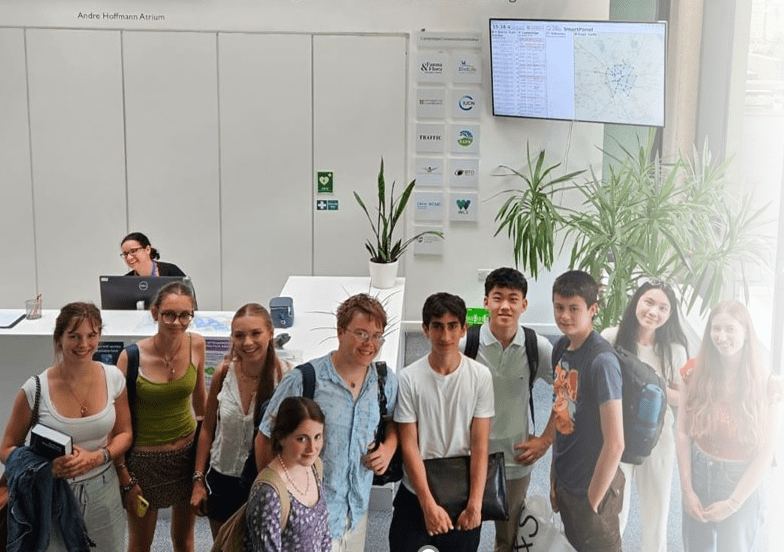
From July to September 2025, we had the privilege of coordinating and mentoring the first-ever pilot Sustainability Science & Policy Internship Programme, jointly delivered through the Centre for Energy, Environment and Natural Resource Governance (CEENRG) at the University of Cambridge and the Global Youth Council on Science, Law and Sustainability (GYC-SLS). Supported by experts from CISDL, IUCN, UNEP-WCMC, WWF, and the UK Environmental Law Association, the programme was designed not simply to teach sustainability—but to practice it.
As early-career scholars working at the intersection of law, science, and governance, we were motivated by a shared belief: youth engagement in sustainability must be rigorous, meaningful, and connected to real policy processes. This pilot programme became our collective experiment in making that vision real.
From Training to Practice: A Youth-Led Model
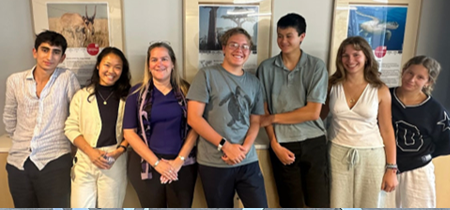
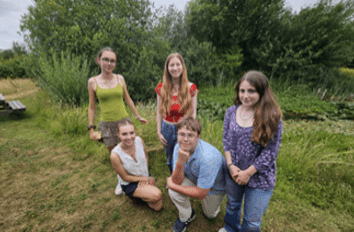
Over the course of the summer, we worked with a diverse, high-performing cohort of youth leaders. Rather than assigning abstract tasks, we co-designed a series of hands-on, policy-relevant assignments, guiding participants step-by-step through the skills that sustainability professionals actually use.
Under our mentorship, interns collaborated directly with experts and peers to tackle pressing sustainability challenges, such as learning how global environmental governance works not just in theory, but in practice. This meant balancing ambition with precision: learning how to write clearly for policy audiences, how to translate science into public communication, and how to engage communities ethically and effectively.
One of the first assignments invited participants to edit and refine a professional sustainability biography, grounding their academic interests and lived experiences within the broader field of sustainability science and policy. For many, this was the first time they had articulated their role in the sustainability ecosystem, particularly as emerging practitioners rather than students.
Biodiversity, OECMs, and Global Treaties
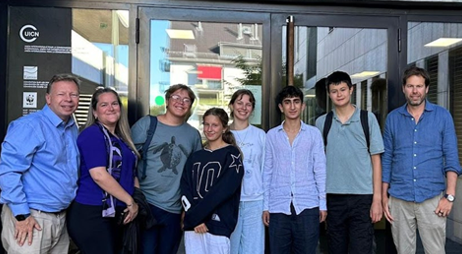
A central focus of the programme was biodiversity governance, particularly Other Effective Area-based Conservation Measures (OECMs)—an area where science, law, and community engagement intersect in powerful ways. With mentorship from experts at UNEP-WCMC and IUCN, interns developed both technical understanding and public-facing communication skills.
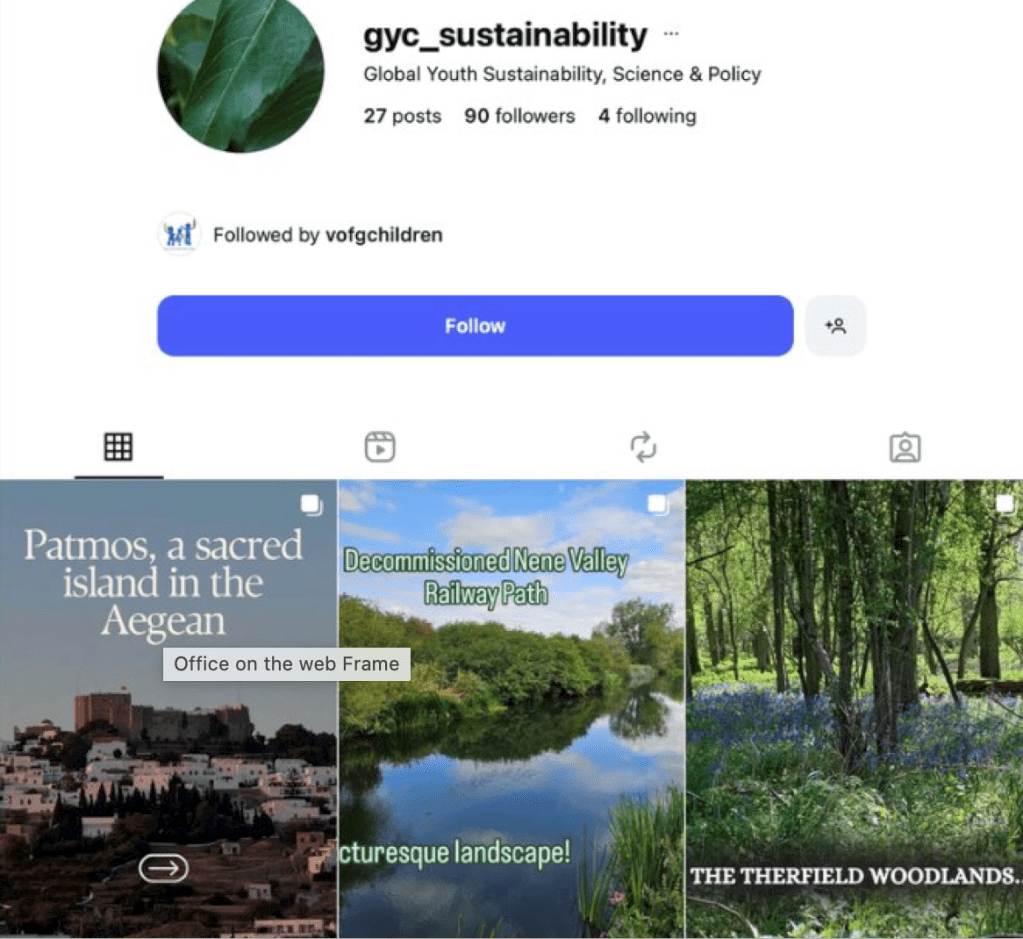
Participants designed and published social-media content to raise awareness of local biodiversity and OECMs, learning how digital platforms can support conservation outcomes when used thoughtfully. These campaigns were not symbolic: they connected global biodiversity frameworks to local realities, demonstrating how youth-led communication can amplify under-recognized conservation efforts.
At the same time, interns built practical skills in treaty analysis and legal writing, engaging directly with international environmental agreements and their local implications. This culminated in a major achievement: interns authored treaty summaries for inclusion in the online companion to Sustainable Development Law: Principles, Practices and Prospects (Oxford University Press, 2025). These contributions were reviewed, accepted, and will be published–marking many participants’ first formal entry into global legal scholarship.
Publishing, Fundraising, and Collective Impact
Beyond research and writing, the programme emphasized the importance of communication, leadership, and financial sustainability. Interns authored articles on their selected treaties for the GYC online journal, serving as senior editors, junior editors, or contributors. Through this process, they learned editorial responsibility, peer review, and collaborative publishing—skills often missing from early sustainability training.
Equally important was learning how to raise awareness and funds responsibly. Participants led social-media and JustGiving campaigns, achieving their pledges in support of GYC-SLS and UNEP-WCMC. These efforts demonstrated that youth engagement can be both values-driven and effective, contributing tangible resources to institutions working on the frontlines of sustainability.
Mentorship as Co-Creation
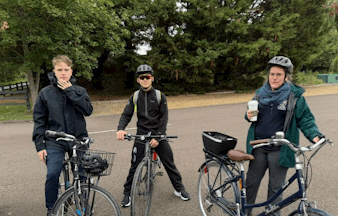
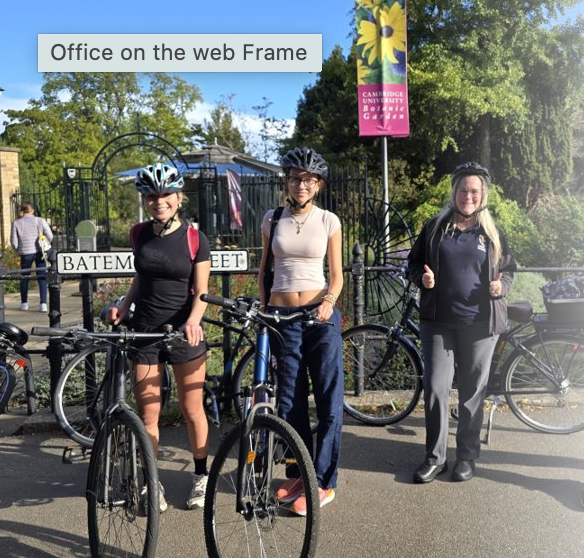
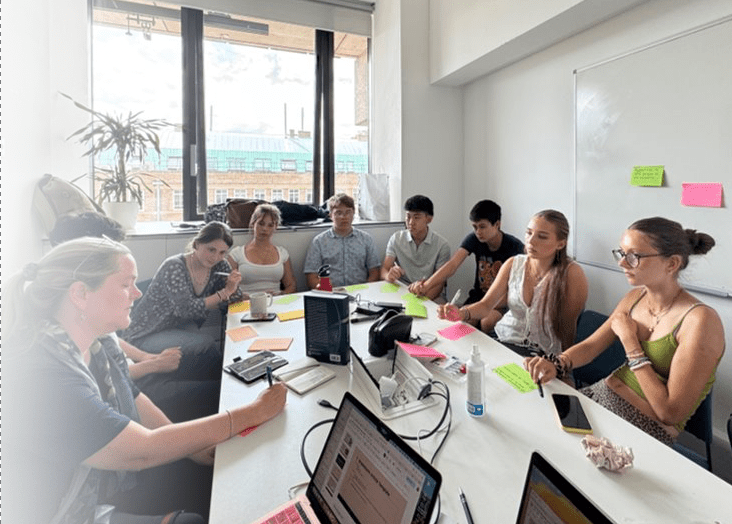
For us, mentorship was not a top-down exercise. Throughout the programme, we coordinated and facilitated online and hybrid planning, training, and action workshops, adapting the programme in real time based on participant feedback. As this was a pilot, co-development was essential, and the interns rose to the challenge.
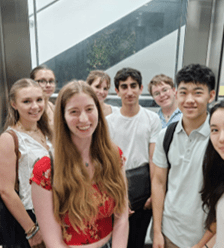
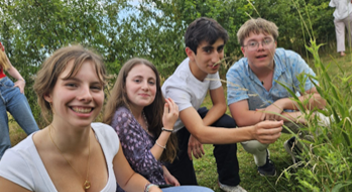
What stood out most was the cohort’s collaborative spirit. Participants supported one another across time zones, disciplines, and lived experiences, embodying the kind of global cooperation that sustainability governance demands. Our role was to guide, edit, challenge, and encourage while trusting youth to lead.
Looking Ahead
Being part of the inaugural Sustainability Science & Policy Internship Programme was both a responsibility and an honour. As confirmed by programme leadership, this experience reaffirmed the power of youth-led, expert-supported education to generate real global and local impact.
This pilot was not an endpoint, but just the beginning. We hope it serves as a model for how universities, international organizations, and youth networks can work together to build the next generation of sustainability leaders: grounded in science, fluent in policy, and committed to equity.
To every intern who contributed their time, energy, and ideas–thank you! You reminded us why youth empowerment is not a side project of sustainability work. It is the work.
—
Annabel Koven & Stella Baek







 Harmony Online Journal - Youth Voices on Science, Law and Sustainability