2025 Sustainability Science & Policy Youth Action

Building the Bridge Between Science, Policy, and Youth Action
By Annabel Koven (BSc Candidate, Brown University) and Stella Baek (3rd Year, University of Oxford)

Introduction

What does it look like when sustainability science and policy move beyond lecture halls and into the hands of young people ready to act?

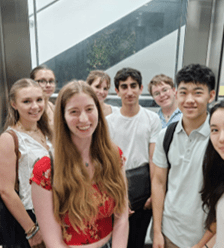
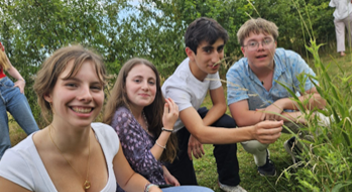
From July to September 2025, we had the privilege of coordinating and mentoring the first-ever pilot Sustainability Science & Policy Internship Programme, jointly delivered through the Centre for Energy, Environment and Natural Resource Governance (CEENRG) at the University of Cambridge and the Global Youth Council on Science, Law and Sustainability (GYC-SLS). Supported by experts from CISDL, IUCN, UNEP-WCMC, WWF, and the UK Environmental Law Association, the programme was designed not simply to teach sustainability—but to practice it.

As early-career scholars working at the intersection of law, science, and governance, we were motivated by a shared belief: youth engagement in sustainability must be rigorous, meaningful, and connected to real policy processes. This pilot programme became our collective experiment in making that vision real.
From Training to Practice: A Youth-Led Model

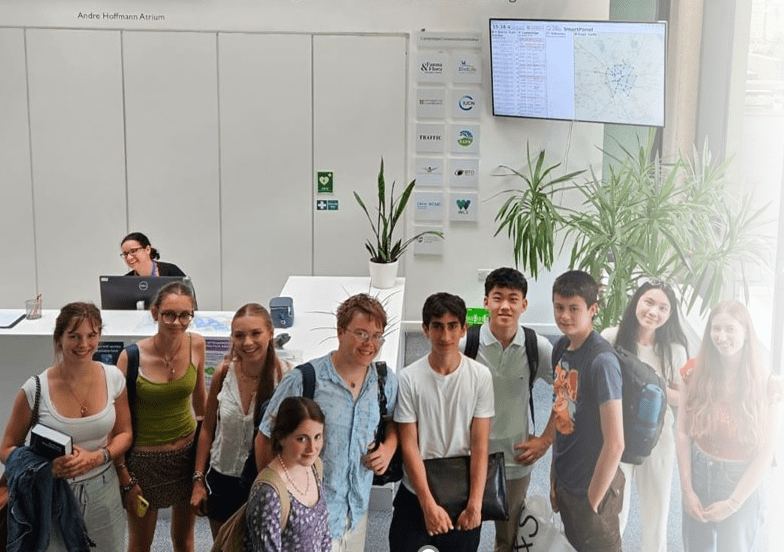
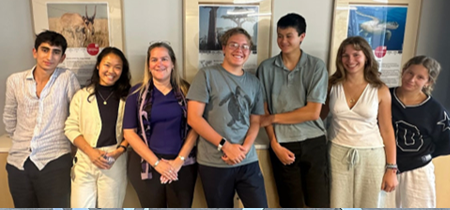
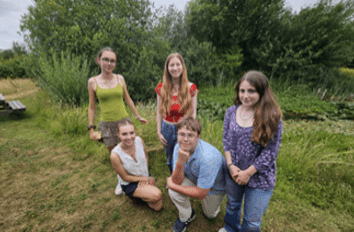
Over the course of the summer, we worked with a diverse, high-performing cohort of youth leaders. Rather than assigning abstract tasks, we co-designed a series of hands-on, policy-relevant assignments, guiding participants step-by-step through the skills that sustainability professionals actually use.

Under our mentorship, interns collaborated directly with experts and peers to tackle pressing sustainability challenges, such as learning how global environmental governance works not just in theory, but in practice. This meant balancing ambition with precision: learning how to write clearly for policy audiences, how to translate science into public communication, and how to engage communities ethically and effectively.

One of the first assignments invited participants to edit and refine a professional sustainability biography, grounding their academic interests and lived experiences within the broader field of sustainability science and policy. For many, this was the first time they had articulated their role in the sustainability ecosystem, particularly as emerging practitioners rather than students.
Biodiversity, OECMs, and Global Treaties

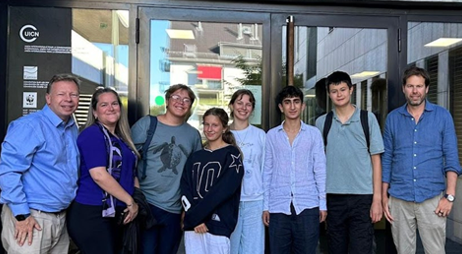
A central focus of the programme was biodiversity governance, particularly Other Effective Area-based Conservation Measures (OECMs)—an area where science, law, and community engagement intersect in powerful ways. With mentorship from experts at UNEP-WCMC and IUCN, interns developed both technical understanding and public-facing communication skills.

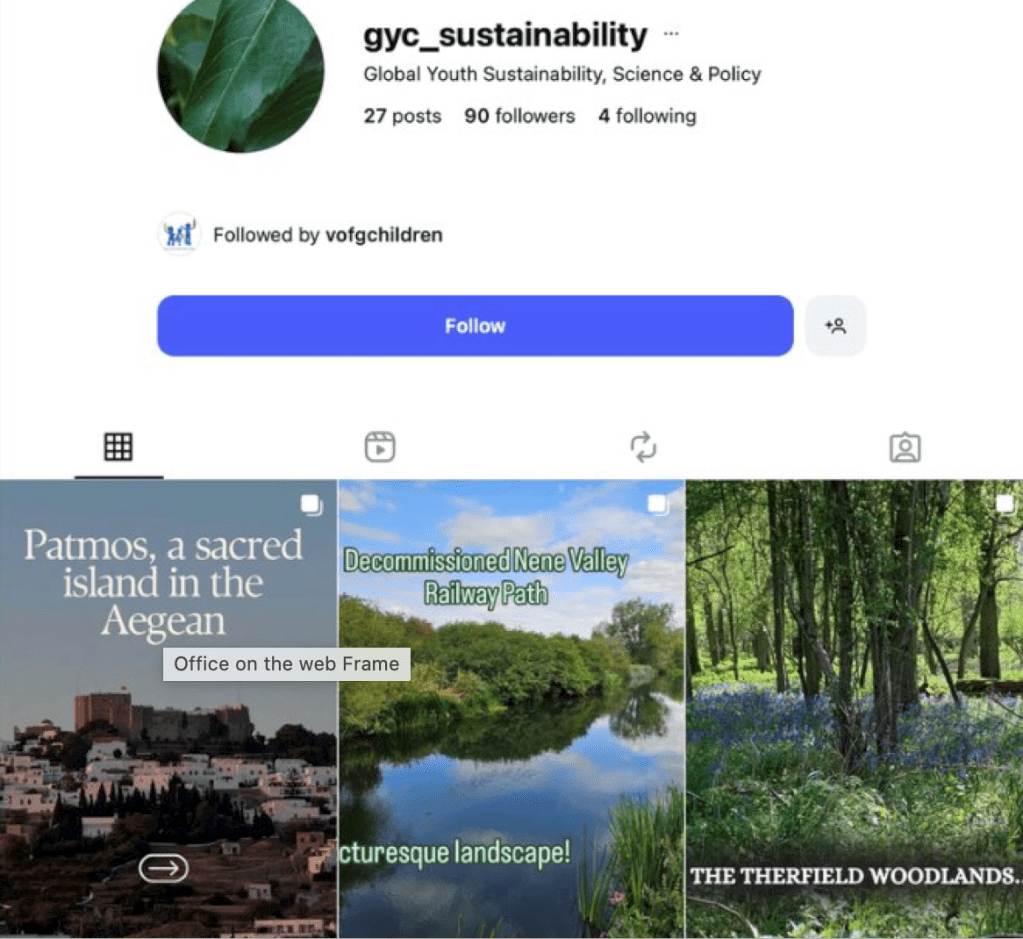
Participants designed and published social-media content to raise awareness of local biodiversity and OECMs, learning how digital platforms can support conservation outcomes when used thoughtfully. These campaigns were not symbolic: they connected global biodiversity frameworks to local realities, demonstrating how youth-led communication can amplify under-recognized conservation efforts.
At the same time, interns built practical skills in treaty analysis and legal writing, engaging directly with international environmental agreements and their local implications. This culminated in a major achievement: interns authored treaty summaries for inclusion in the online companion to Sustainable Development Law: Principles, Practices and Prospects (Oxford University Press, 2025). These contributions were reviewed, accepted, and will be published–marking many participants’ first formal entry into global legal scholarship.

Publishing, Fundraising, and Collective Impact

Beyond research and writing, the programme emphasized the importance of communication, leadership, and financial sustainability. Interns authored articles on their selected treaties for the GYC online journal, serving as senior editors, junior editors, or contributors. Through this process, they learned editorial responsibility, peer review, and collaborative publishing—skills often missing from early sustainability training.

Equally important was learning how to raise awareness and funds responsibly. Participants led social-media and JustGiving campaigns, achieving their pledges in support of GYC-SLS and UNEP-WCMC. These efforts demonstrated that youth engagement can be both values-driven and effective, contributing tangible resources to institutions working on the frontlines of sustainability.
Mentorship as Co-Creation

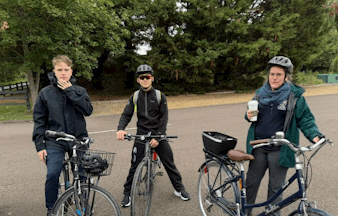
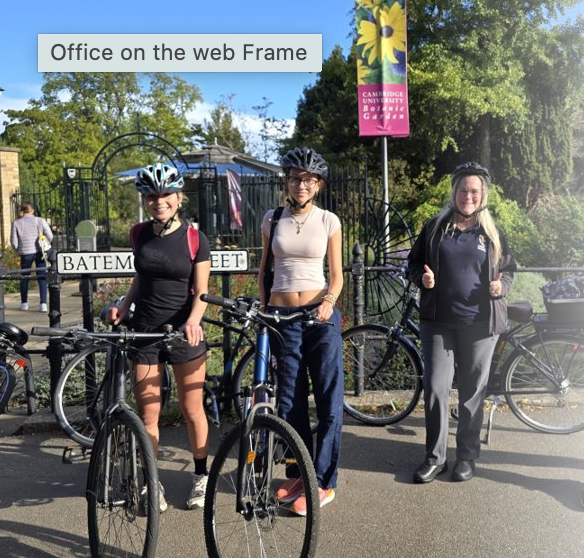
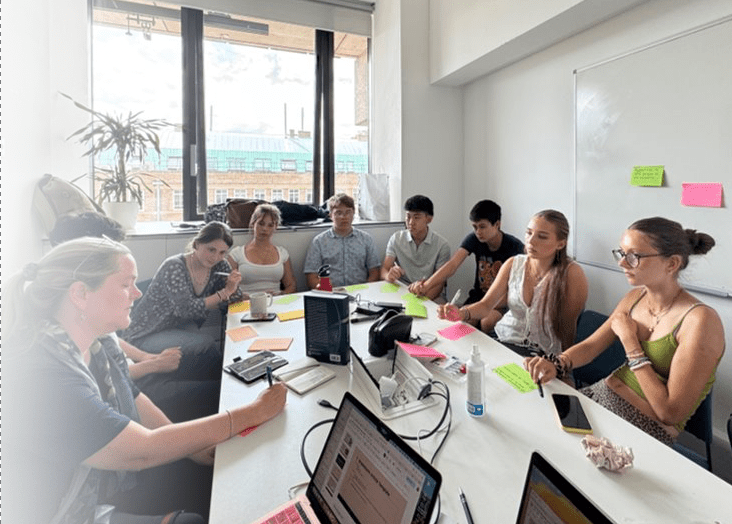
For us, mentorship was not a top-down exercise. Throughout the programme, we coordinated and facilitated online and hybrid planning, training, and action workshops, adapting the programme in real time based on participant feedback. As this was a pilot, co-development was essential, and the interns rose to the challenge.

What stood out most was the cohort’s collaborative spirit. Participants supported one another across time zones, disciplines, and lived experiences, embodying the kind of global cooperation that sustainability governance demands. Our role was to guide, edit, challenge, and encourage while trusting youth to lead.
Looking Ahead

Being part of the inaugural Sustainability Science & Policy Internship Programme was both a responsibility and an honour. As confirmed by programme leadership, this experience reaffirmed the power of youth-led, expert-supported education to generate real global and local impact.

This pilot was not an endpoint, but just the beginning. We hope it serves as a model for how universities, international organizations, and youth networks can work together to build the next generation of sustainability leaders: grounded in science, fluent in policy, and committed to equity.

To every intern who contributed their time, energy, and ideas–thank you! You reminded us why youth empowerment is not a side project of sustainability work. It is the work.

Annabel Koven & Stella Baek

Have We Taken Too Long in Taking Action to Fulfil SDG14?

By: Harry Langford

Given that our planet’s oceans cover up 71% of the planet (National Geographic, 2023), protecting and shielding them from climate change should be our priority. Our actions and our neglect since the industrial revolution have drastically damaged our oceans, making it vital for us to act quickly and extensively to salvage the ecosystems which are struggling to survive in spite of rather than because of our actions. According to the United Nations (2021):

As the planet’s greatest carbon sink, the ocean absorbs excess heat and energy released from rising greenhouse gas emissions trapped in the Earth’s system. Today, the ocean has absorbed about 90 percent of the heat generated by rising emissions”.  

This is resulting in melting ice caps, rising sea levels of around 3.6 cm per decade (Oppenheimer, M et al., 2019), marine heatwaves, ocean acidification and so much more. Extreme storm surges, flooding, coastal erosion, marine heatwaves and landslides are becoming annual events rather than the historic pattern of once a century. Due to the increased number of marine heatwaves, the UN environment programme predicts that ‘every one of the world’s coral reefs could bleach by the end of the century if the water continues to warm” and that the irreversible loss of marine and coastal ecosystems will be catastrophic: by 2100 over half of the world’s marine species will be on the brink of extinction (United Nations, 2021). If we woke up tomorrow and there was an increase of 1.5 degrees Celsius, around 80% of coral reefs would be destroyed, devastating marine life. 

Action needs to be taken immediately to stop this destruction. So which actions are being taken? The UN’s Sustainable Development Goal 14 focusses on conserving and sustainably using the oceans, seas and marine resources for sustainable development. There are 2 main actions being focussed on globally to fulfil this goal: the Biodiversity Beyond National Jurisdiction Treaty (“BBNJ”) and the High Seas Alliance. BBNJ, or the “High Seas Treaty”, was signed in September 2023 by UN member states to safeguard life in the ocean beyond national jurisdiction. This is the first comprehensive cross sectoral ocean treaty of its kind and entailed 20 years of negotiations (United Nations, 2023). This treaty gives practical effect to SDG14 with signatories agreeing to protect at least 30% of our seas by 2030. This agreement “will enable the establishment of area-based management tools, including marine protected areas, to conserve and sustainably manage vital habitats and species in the high seas and the international seabed area” (United Nations, 2023). 

BBNJ has 4 main topics and key ideas:

  1. Fresh Protection beyond borders –  the high seas should have protection against destructive trends such as pollution and the unsustainable fishing activities that happened in the past.
  2. Cleaner Oceans – “Toxic chemicals and millions of tons of plastic waste are flooding into coastal ecosystems, killing or harming all marine life and making their way into the food chain and ultimately being consumed by humans” (United Nations, 2023, June 19), thus harming marine life, but also humans. According to the UN, by 2050 there could be more plastic than fish in the ocean (United Nations, 2023, June 19). In 2021, more than 17 million tons of plastic were present in the ocean: this number is predicted to double or even triple each year by 2040 (United Nations, 2023, June 19). This Treaty contains provisions based on the “polluter-pays” principle and provides for signatories to carry out an assessment of the impact of environmental activities intended to be carried out outside of that party’s jurisdiction.  
  3. Sustainably managing fish stocks – the treaty will stop the trend of overfishing helping to restore fish stocks.  According to the UN, over a third of fish stocks are over-exploited (United Nations, 2023, June 19). The treaty emphasises the need to build capacity as well as for the transfer of marine technology and development of national regulatory frameworks.
  4. Lowering temperatures – The Treaty provides guidance for ocean management which will improve “ecosystem resilience” and help to counter the harmful consequences of climate change and ocean acidification, restoring the ecosystem’s original functionality and, in turn, its ability to cycle carbon.

Who is fighting for the ratification of the treaty? Mainly, it is the High Seas Alliance, with the help of the UN and the International Union for Conservation of Nature. The High Seas Alliance is composed of 50+ non-governmental members who are all working together to achieve SDG14 and critically, to protect our oceans (High Seas Alliance, 2024a). Before the High Seas Treaty, there was no legally binding mechanism to conserve marine life and its ecosystems. At the time of writing, 104 countries have signed the High Seas Treaty (High Seas Alliance, 2024b), demonstrating their desire to consent to a new international law of the oceans. Individual countries now must ratify the treaty through their own legal process to make it national law. Once 60 countries do so, a 120-day countdown will be triggered, at the end of which the global agreement will enter into force, enabling a robust protection of our high seas and marine life.  

How close are we then to it becoming international law? So far, whilst 104 countries have signed the treaty, only 13 have ratified it (High Seas Alliance, 2024b). Some of this can be explained by the process of ratification and how it differs from country to country, some harder to do than others.  Impressively, all 27 EU members of the UN signed the High Seas Treaty – the ratification process must now take place at a national level. The High Seas Alliance have announced that they are hopeful to announce the 60+ ratifications in the 3rd UN Ocean Conference taking place in Nice, France, in June 2025. 

Is this initiative too late to make a real impact? If you asked the average citizen, they would most likely answer yes. It is this mindset that itself poses a huge risk to the future of our planet. Professor Heidi Toivonen of Twente university said “Climate change might push people towards a sense of complete loss of agency, the feeling that there is nothing we can do, especially as the question of whether it is already too late to prevent dangerous climate change is discussed in serious science circles” (Broom, 2023).  The most powerful thing we can do is to come together and work together to prevent a worsening of climate change. Great progress has been made since the signing of the 2016 Paris Agreement, with significant steps taken such as, of course, the High Seas Treaty. The answer to whether it is too late to stop climate change is no, but we must act together, raise awareness, petition our leaders and protect our oceans now.  

References

Albert, D. (2024, April 24). EU’s Approval to Ratify the High Seas Treaty: 101 Explainer – High Seas Alliance. High Seas Alliance. https://highseasalliance.org/2024/04/24/eus-approval-to-ratify-the-high-seas-treaty-101-explainer/ 

Broom, D. (2023, June 19). Too late to save the planet? Why this climate crisis myth is so prevalent – and problematic. World Economic Forum. https://www.weforum.org/agenda/2023/06/too-late-climate-crisis-myth/ 

High Seas Alliance. (2024a). About the High Seas Alliance. High Seas Alliance. https://highseasalliance.org/about-us/ 

High Seas Alliance. (2024b). High Seas Treaty Progress Table. High Seas Alliance Treaty Ratification. https://highseasalliance.org/treaty-ratification/table-of-countries/

National Geographic. (2023, October 19). Ocean | National Geographic Society. Education.nationalgeographic.org. https://education.nationalgeographic.org/resource/ocean/ 

Oppenheimer M et al. (2019). Sea level rise and implications for low lying islands, coasts and communities, in IPCC Special Report on the Ocean and Cryosphere in a Changing Climate. https://www.ipcc.ch/srocc/

United Nations. (2021). How is climate change impacting the world’s ocean. United Nations. https://www.un.org/en/climatechange/science/climate-issues/ocean-impacts 

‌United Nations. (2023, June 19). Beyond borders: Why new “high seas” treaty is critical for the world | UN News. News.un.org. https://news.un.org/en/story/2023/06/1137857 

United Nations. (2023). Agreement on Marine Biodiversity of Areas Beyond National Jurisdiction. Agreement on Marine Biodiversity of Areas beyond National Jurisdiction. https://www.un.org/bbnjagreement/en/bbnj-agreement/about-agreement

Wayanad Landslides 2024: A Tragedy Rooted in Environmental Neglect

By: Sanvika Sandeep, 15, UAE

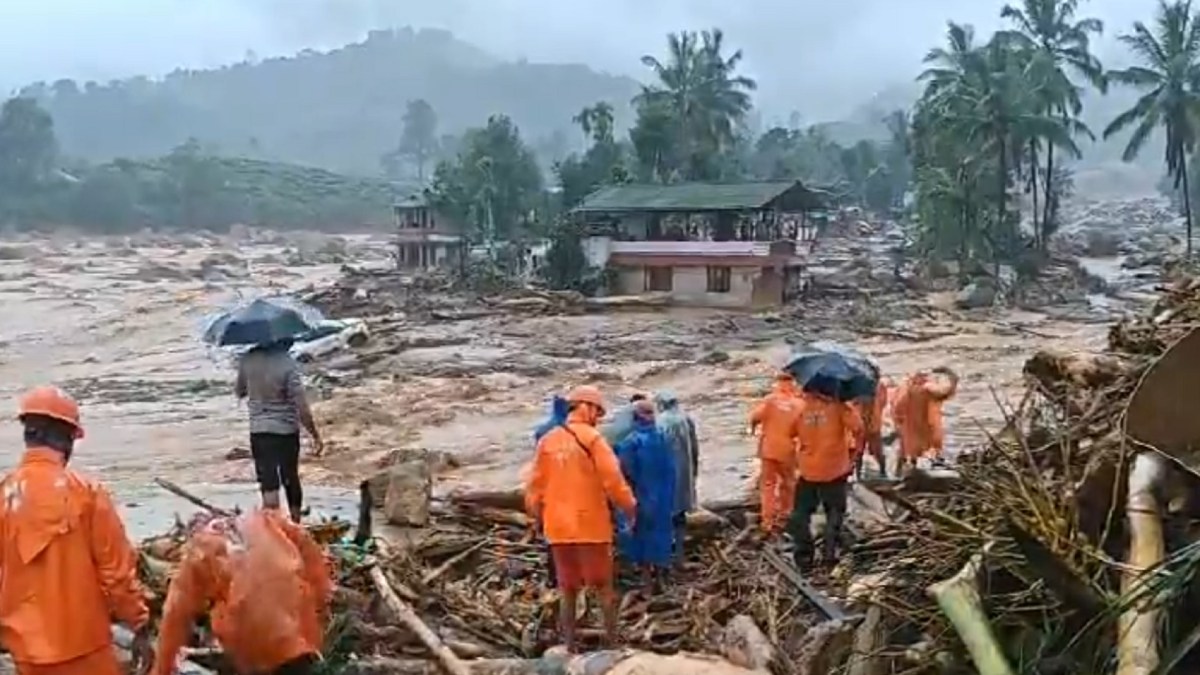
The 2024 landslides in Wayanad serve as a stark reminder of nature’s devastating capabilities, exacerbated by human influence. Wayanad, a mountainous district nestled in the Western Ghats, bore the brunt of the disaster, with over 300 lives lost and entire communities devastated. The heavy rainfall that triggered the landslides also caused widespread flooding across northern Kerala, washing away bridges, inundating homes and roads, and leading to power outages, plunging the region into turmoil.


In the days leading up to the disaster, Wayanad experienced persistent monsoon rainfall, which led to the destabilization of its already fragile hillsides. The severe downpours, exacerbated by a changing climate, played a significant role in the disaster that unfolded in Wayanad. The soils in Wayanad, already highly saturated from the ongoing monsoon season, were unable to absorb the deluge that fell on the day before the landslides. This saturation, a common phenomenon in the region during the rainy season, left the land vulnerable to collapse.


Entire towns were engulfed by mud and debris following the landslides, complicating rescue operations due to perilous conditions. Homes were overtaken by the earth, tearing apart families, leaving survivors to struggle with the loss of their jobs, security, and loved ones. The rivers and streams, once lifelines for these neighbourhoods, transformed into channels of destruction, carrying away not only soil but also the dreams and aspirations of the local populace.


In the context of Wayanad, SDG 15, which is focused on protecting life on land, is strikingly important. The landslides served as a startling example of what happens when terrestrial ecosystem health is neglected. Landslides were more likely because of the exposed and susceptible soil caused by the removal of tree cover. The tremendous biodiversity of the area was put in even greater jeopardy when the soil gave way, burying human dwellings along with wildlife habitats.


As Wayanad works to recover from this tragedy, the lessons learned from the landslides must not be forgotten. Human activity, environmental fragility, and climate change have combined to create a volatile situation that demands immediate attention. Preserving the region’s ecosystems, improving infrastructure resilience, and tackling the underlying causes of climate change are imperative in preventing future disasters and safeguarding the lives and livelihoods of those who call Wayanad home.

The Silent Whispers of Mother Nature: From desolation to hope

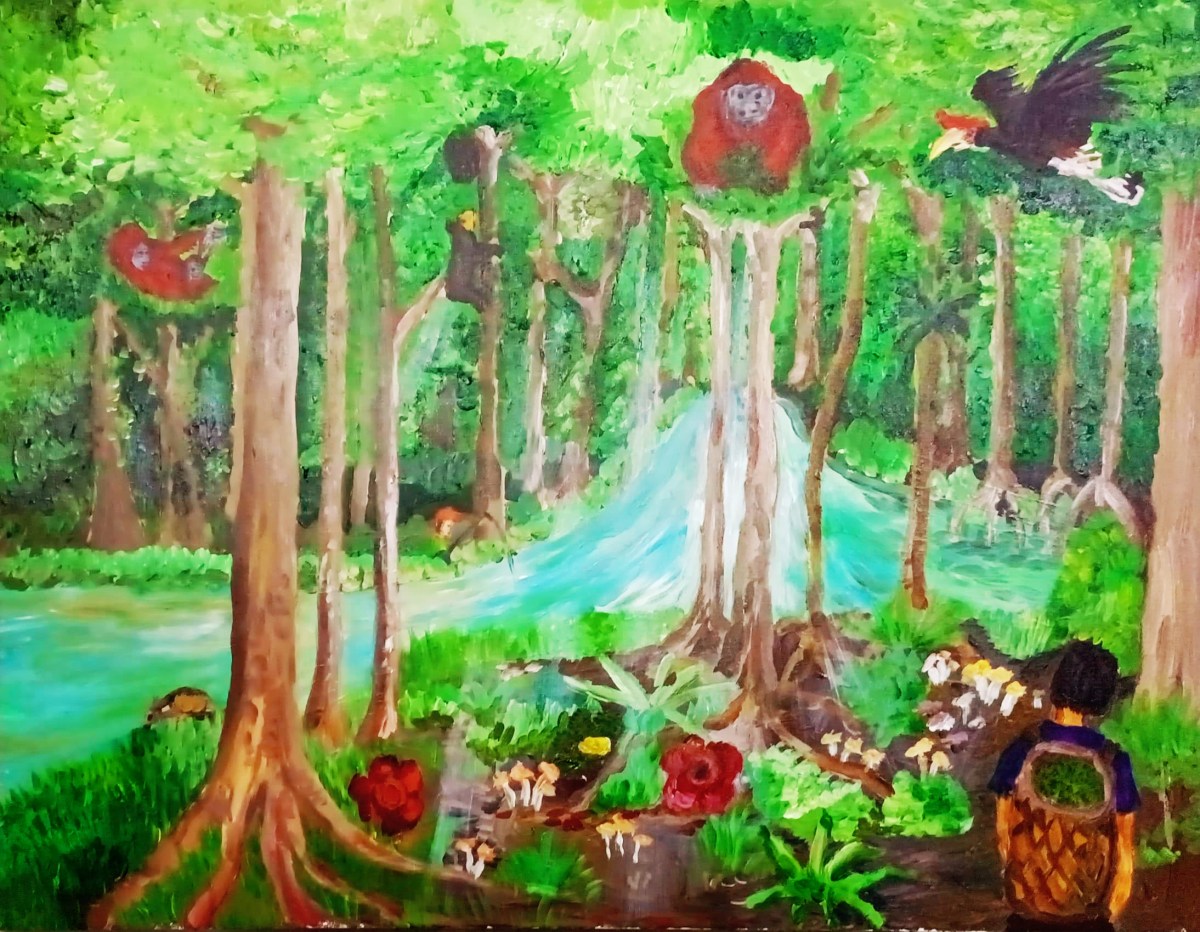
Artwork by Kelvin Li

By: Varnessa Kayen Varlyngton, Nigeria

Growing up in the city once known as “The Garden City of Nigeria,” I developed a deep love for nature. However, my idyllic perception of my surroundings was shattered when I witnessed the harsh environmental reality faced by the people of Rivers State.


The city, once a vibrant oasis teeming with life and lush greenery, now stands as a desolate wasteland stripped of its trees. Human activities more rampant than ever have ravaged our once-beautiful landscape. The absence of trees resulted in heat waves that mercilessly tormented us before the rainy season, making it nearly impossible to focus in our classrooms. Children, including my younger sister, fell victim to severe heat rashes and global warming became more evident, a grim reminder of the consequences of environmental degradation. Deforestation was the first sign of environmental degradation in my city that I had ever studied and witnessed.

I began to wonder why humans would be so cruel. Nature has been so kind to us, from the beautiful trees that provide us with oxygen and the little animals that kept us company. Everyone had once praised this land for being so beautiful and great but what is it now? Desertification might be knocking at the door in a few years’ time. Realising that what could be the apocalypse of the earth was us humans, a fire within me had been ignited. I thought to myself: “Nature has been kind to us so let us reciprocate that love”. I began to find creative ways to make a change and say no to deforestation. SDG 15: Life On Land needed to be protected.

To achieve social justice we must achieve environmental justice and this is my message to the world. This was the reason why I decided to start Egalitarianism for Earth, recognizing the interconnectedness of all species, ecosystems, and the Earth, and seeking to ensure ecological equality, environmental justice, and sustainable coexistence. In this relentless pursuit of environmental justice, I launched the Children4Climate Initiative with a movement known as TreeTrek, a bold endeavour aimed at restoring the once-glorious Garden City of Nigeria. Starting the Children4Climate Initiative and the movement is my way of raising awareness and taking actions especially in a world where Gen Alpha aren’t involved in trivial matters that relate sustainability.

From hosting workshops at the local schools, using animations to amplify mother nature’s cry, writing and reporting these environment – related Indigenous stories, creating petitions and writing an open letter to the federal government of Nigeria demanding for climate education, I believe that I am changing that narrative as a young Gen Alpha leader and playing my role in the cycle of life.

We should all understand that life on land is desperately crying for our help….If you can’t hear it I urge you to go back to a quiet place and look at the world around you and see how she’s slowly fading away. However, if everyone eagerly works together to protect Life on Land and take climate actions,we secure a future for all. One where biodiversity thrives and sustainability is at its
peak. Together we can make a difference!