Other Effective area-based Conservation Measures (OECMs) are one of the most promising and least understood tools in nature conservation — and young people have a real part to play in identifying them. This page explains what they are, why they matter, and how you can get involved.
Our Instagram campaign
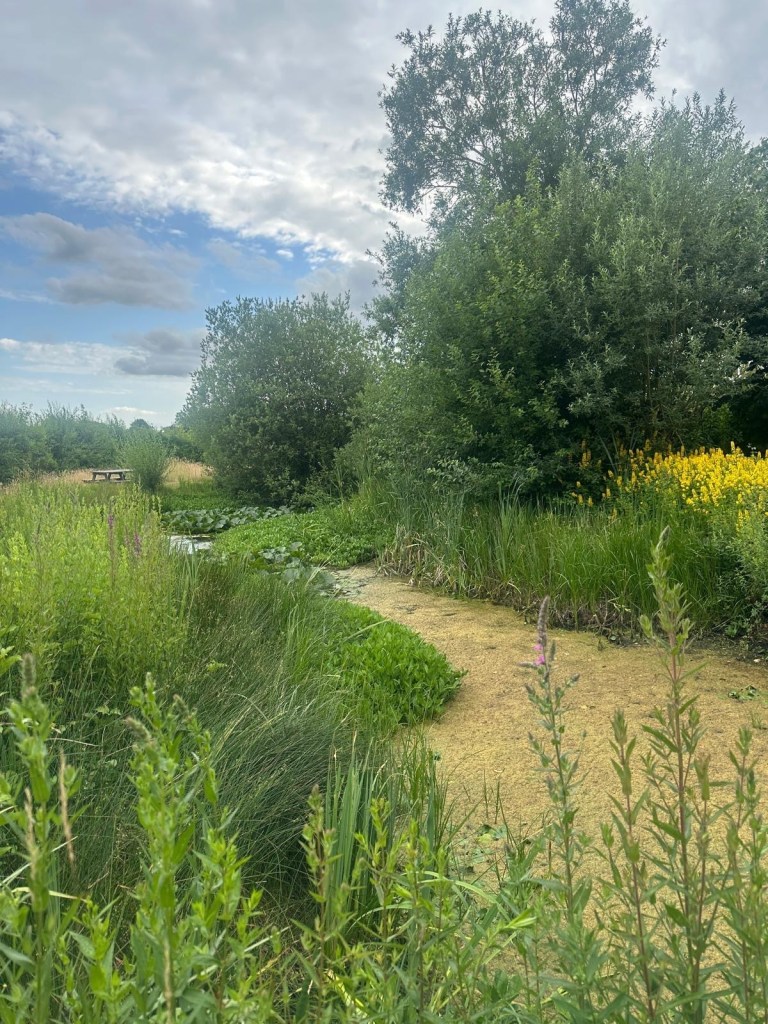
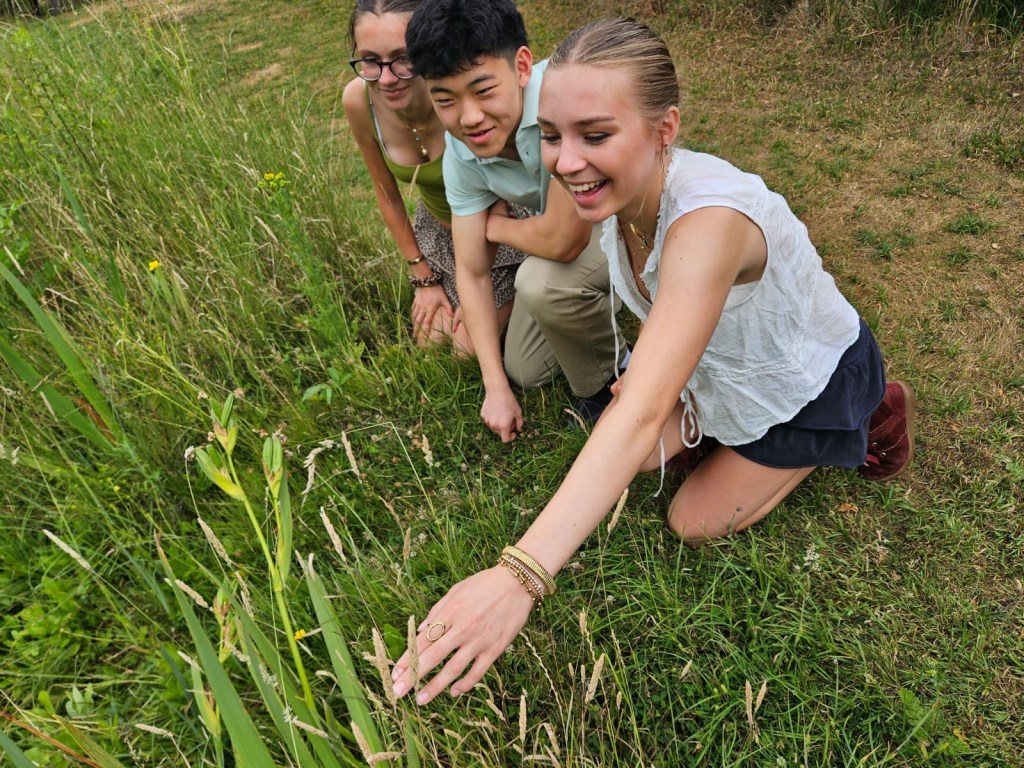
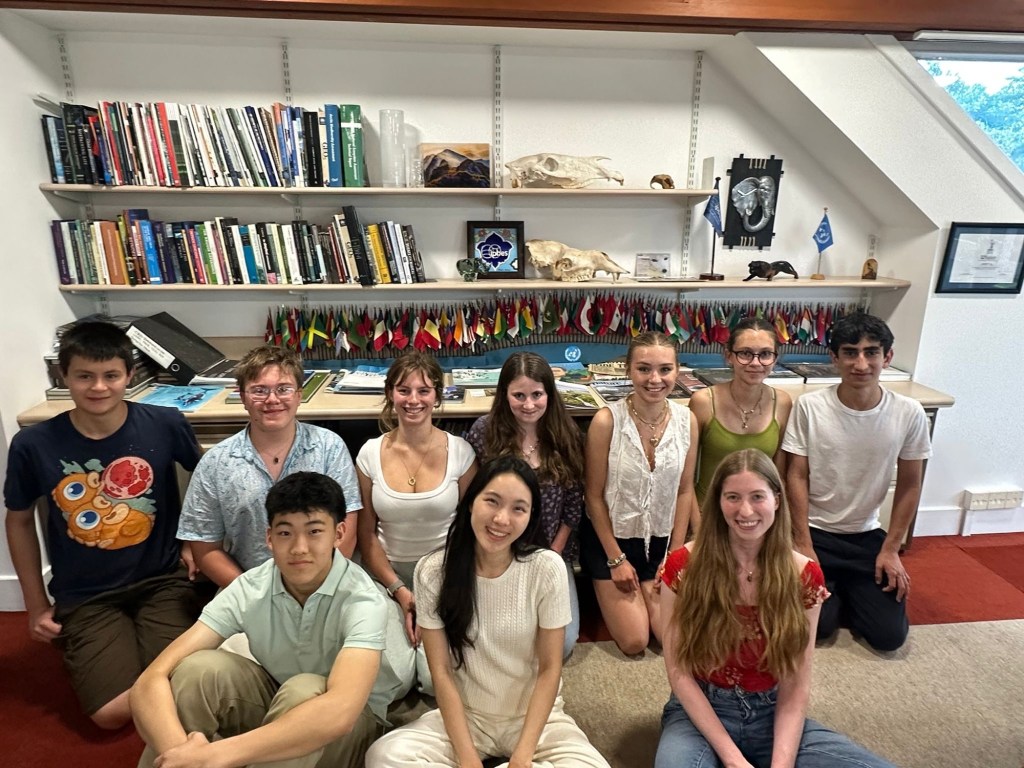
We run an Instagram campaign sharing the everyday places that quietly work for nature — and the young people standing up for them. Follow @gyc_sustainability for our latest posts and reels. Here’s one to start with:
What is an OECM?
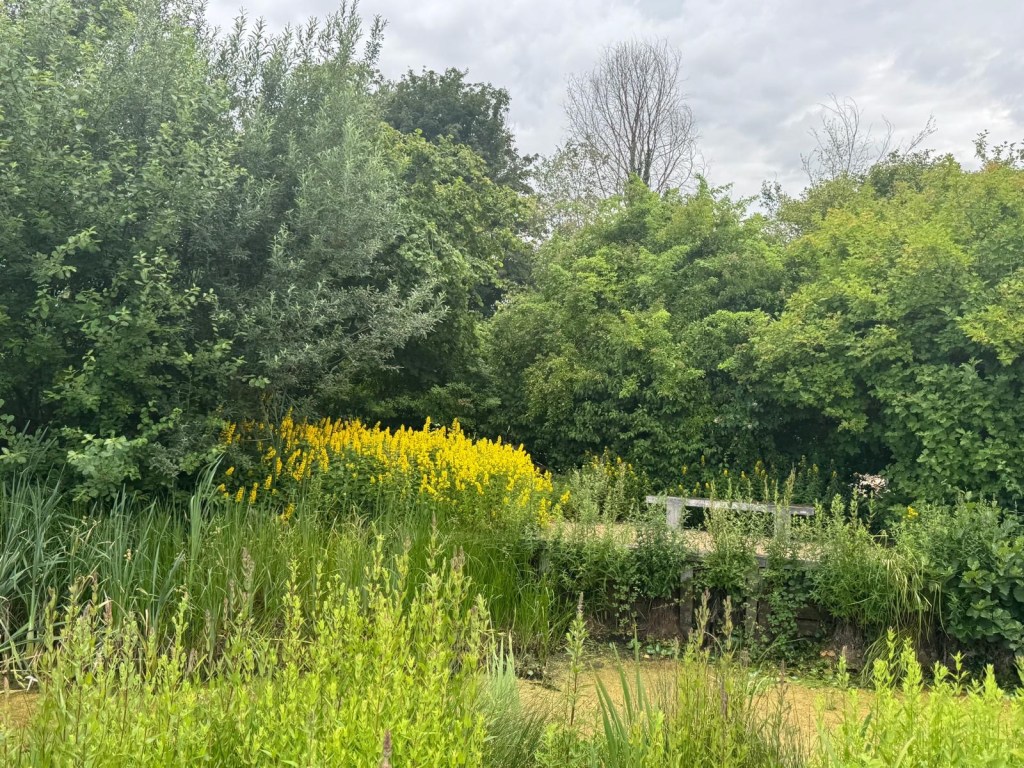
An OECM is an area outside a formal protected area — such as a nature reserve or national park — that still delivers long-term, effective conservation of biodiversity. The land might be managed mainly for another reason altogether: a community woodland, a well-managed farm, a water catchment, a military training ground, a churchyard, or a sacred site. What matters is the outcome. If a place reliably supports nature over the long term, it can be recognised as an OECM even if conservation was never its original purpose.
The term was formally defined in 2018 by the Convention on Biological Diversity (Decision 14/8). The key difference from a protected area is intent: a protected area is set aside primarily for nature, while an OECM achieves conservation whether or not that was the goal.
Why they matter: the 30×30 target
Under the Kunming-Montreal Global Biodiversity Framework, adopted in 2022, governments committed to conserving at least 30% of the world’s land, inland waters, coastal and marine areas by 2030 — known as the ‘30×30’ target (Target 3). Protected areas alone will not get the world there. OECMs are a key way to close the gap, because they recognise conservation that is already happening on land used for other purposes.
The approach is still young. By 2023, around 820 OECMs across nine countries had been reported to the World Database on OECMs, covering roughly 1.9 million square kilometres — a real start, but still a small fraction of what 30×30 will require. That gap is exactly where the opportunity lies.
How you can get involved
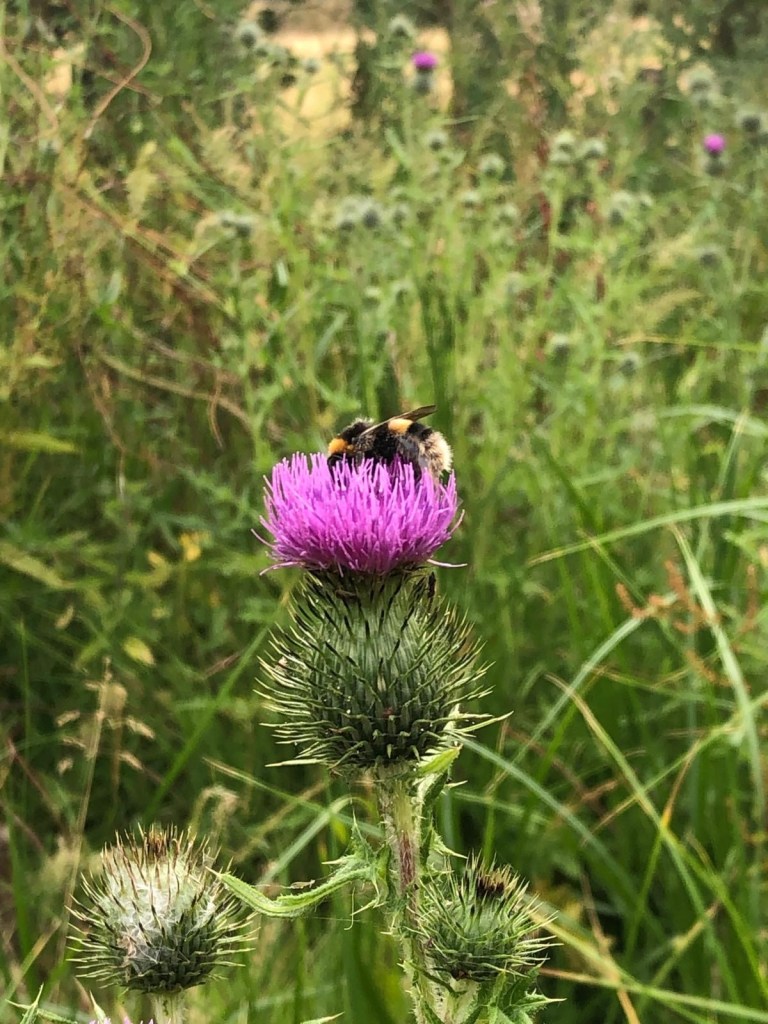
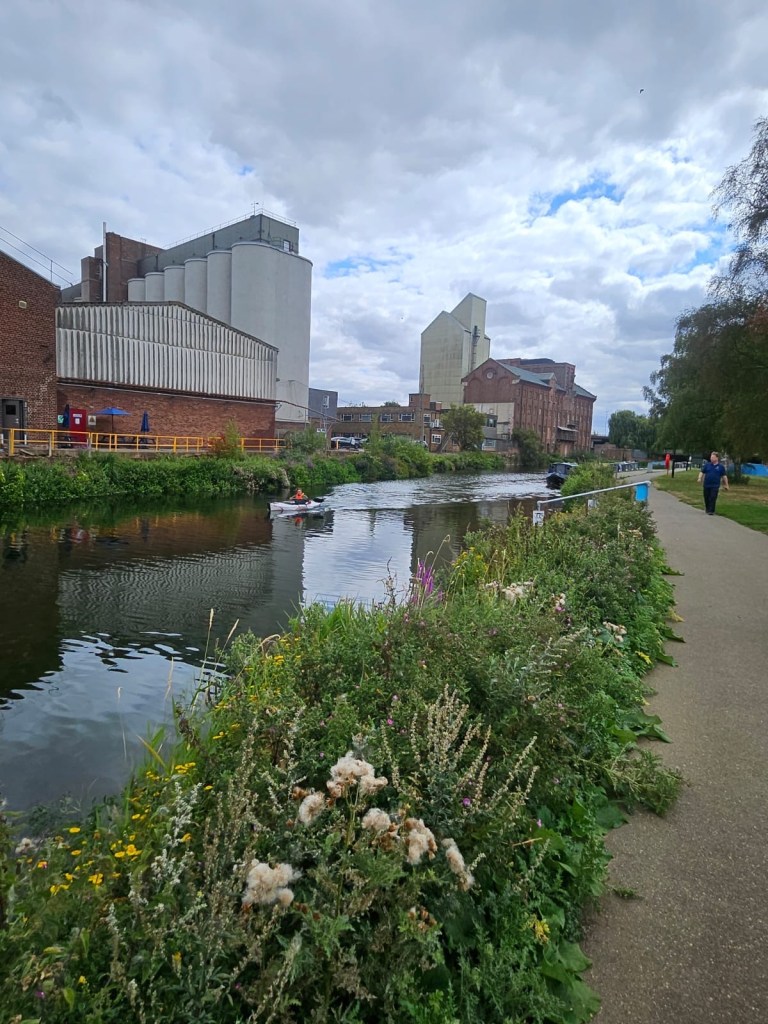
- Learn to spot them. Look at the green spaces around you — a community orchard, a school grounds, a golf course, a canal towpath, a village green. Ask whether nature is thriving there, and why.
- Raise awareness. Most people have never heard the term. Explaining OECMs to your school, family or local group is itself a contribution — and you can follow and share our campaign on Instagram at @gyc_sustainability.
- Support good local land management. Back landowners, farmers and community groups who manage land well for nature.
- Connect it to our work. Our Fenlands project explores how re-wetted wetland and well-managed land can be recognised as part of a wider conservation network — the same thinking that sits behind OECMs.
Find out more
- IUCN — OECMs: guidance and global overview from the International Union for Conservation of Nature.
- Protected Planet: the World Database on Protected Areas and OECMs.
- Convention on Biological Diversity: the international framework behind 30×30.
Add your voice
You can be part of the campaign. If you know a green space near you that’s good for nature — a park, a pond, a hedgerow, a patch of woodland — share it:
- Post a photo of the place on Instagram.
- Say in one line why it matters for nature.
- Tag @gyc_sustainability so we can see it and reshare it.
- Add the campaign hashtag #OurFensOurFuture, plus #OECM and #30×30 to reach the wider conservation conversation.